
Planning the catering for a wedding is one of the most crucial elements of ensuring an unforgettable event. The food and beverage experience can leave a lasting impression on your guests, whether positive or negative. Unfortunately, some common mistakes often derail even the most carefully planned weddings. By identifying these pitfalls early, you can ensure seamless catering and create a truly memorable celebration.
Tips for Exceptional Wedding Catering in Washington DC: Meeting Guest Preferences and Dietary Needs
Failing to consider your guests’ dietary needs can lead to dissatisfaction and even health risks. A diverse menu that accommodates various dietary preferences is key to ensuring all attendees enjoy the meal.
Here are important steps to address this:
– Send RSVP cards with dietary questions: Include options for allergies, vegetarian, vegan, gluten-free, or other restrictions. – Collaborate with your caterer: Share guest preferences early so the menu can be customized.
– Offer variety: Even if you’re serving a plated meal, provide at least one alternative dish that meets common dietary needs.
Tips for Managing Food Quantities in Corporate Catering Washington DC
One of the biggest mistakes is not providing enough food for all guests. This not only creates frustration but also disrupts the flow of your event. Always err on the side of abundance rather than running short on portions.
- Estimate servings carefully: Speak with your caterer to calculate portion sizes based on guest count.
- Plan for extras: Factor in unexpected attendees or those with larger appetites.
- Include late-night snacks: If your reception extends into late hours, consider offering small bites after dinner service.
| Guest Count | Recommended Serving Size | Notes |
| <50 | 2 entrees per person | Smaller events require more variety |
| 50–150 | 1.5 entrees per person | Balance cost and variety |
| >150 | Buffet-style recommended | Eases logistics |
Overcoming Venue Constraints with Food Delivery Washington DC
Each venue comes with unique logistics that can significantly impact catering success. Failing to account for these constraints may lead to delays or subpar service quality.
Factors to evaluate include:
1. Kitchen facilities: Does the venue have an equipped kitchen? If not, discuss alternative setups like mobile kitchens or pre-prepared meals.
2. Space limitations: Ensure there’s adequate room for buffet tables or waitstaff circulation during plated service. 3. Power access and permits: Verify that lighting, heating equipment, and cooking appliances will function seamlessly at the venue.
Not Scheduling a Tasting Session
Skipping the food tasting before finalizing a caterer is another major oversight that could result in disappointment on your big day.
Benefits of scheduling a tasting session:
– Allows you to assess flavor profiles and presentation quality. – Provides an opportunity to make adjustments based on personal preferences. – Builds trust between you and your caterer by ensuring alignment in expectations.
Poor Timing Coordination
Timing plays a vital role in delivering food promptly while maintaining its freshness and appeal during events like weddings.
Suggestions to master timing:
– Work closely with both your planner and caterer when drafting timelines for each course. – Use buffer times between different segments (e.g., speeches before dinner) so meals don’t sit too long before serving. – Consider how weather conditions might affect outdoor catering timelines (e.g., wind disrupting chafing dishes).
By avoiding these common mistakes, you can ensure that every aspect of your wedding catering reflects careful planning and attention—leaving guests satisfied and impressed throughout this special occasion.
How to Avoid Common Mistakes When Planning Your Wedding Food Catering
Planning food catering for a wedding can be a complex process. Whether you’re organizing a grand celebration or an intimate gathering, there are common mistakes that can derail your plans if they’re not carefully considered. Here’s an overview of the most frequent missteps and how to avoid them for a seamless catering experience.
1. Underestimating Your Guest Count
One of the most significant errors is failing to have an accurate headcount. Caterers rely on precise numbers to calculate food quantities, staffing needs, and costs.
How to Avoid:
– Send out RSVPs early and follow up with guests who haven’t responded.
– Work with your caterer to establish an appropriate buffer in case unexpected attendees show up.
2. Overcomplicating the Menu
Trying to offer too many options or overly elaborate dishes can lead to logistical challenges, increased costs, and confusion for both the caterer and guests.
Simplification Tips:
– Focus on quality over quantity by curating a smaller selection of crowd-pleasing dishes.
– Opt for seasonal, easily sourced ingredients that align with your event’s theme or location.
3. Failing to Accommodate Dietary Restrictions
Overlooking dietary needs is a common error that can leave some guests without suitable meal options and negatively impact their experience.
Solutions:
– Include dietary preference questions (e.g., vegetarian, vegan, gluten-free) in your RSVP forms. – Offer at least one universally suitable option such as pasta with vegetables or protein alternatives like tofu or lentils.
| Dietary Need | Example Dish Options |
| Vegetarian | Grilled vegetable lasagna |
| Vegan | Stuffed bell peppers with quinoa |
| Gluten-Free | Herb-roasted chicken with sides |
4. Poor Communication with the Caterer
Miscommunication regarding expectations, timelines, or budget can result in unnecessary complications.
Best Practices for Clear Communication: – Provide detailed instructions on the event timeline (e.g., cocktail hour start time). – Schedule regular check-ins with your caterer during the planning phase. – Share any cultural or personal preferences (such as religious dietary requirements) well in advance.
5. Ignoring Venue Constraints
Each venue comes with its own set of limitations related to kitchen space, power access, and service areas.
How to Address Venue Challenges: – Visit the venue in person and assess catering facilities together with your vendor. – Clarify any restrictions imposed by the venue contract (e.g., no open flames).
6. Overlooking Timing for Food Service
Even perfectly cooked meals lose their appeal when served late or cold due to poor timing coordination between events like speeches and meal service.
Timing Tips: – Build buffer periods into your schedule so service staff has flexibility. – Communicate key moments (toasts, cake cutting) clearly ahead of time so caterers know when guests will be ready for food.
Planning wedding catering doesn’t have to be overwhelming if you take steps to mitigate common pitfalls early in the process while maintaining open communication with all involved parties.
Tips for Choosing Washington DC Caterers to Ensure Enough Food for Your Event
When planning a catered event, one of the most critical aspects to consider is ensuring there is enough food for all your guests. Running out of food can lead to awkward situations, dissatisfaction, and a poor overall experience. Proper planning and understanding the needs of your event are essential to avoid this common pitfall. Here’s how you can ensure a successful catering experience by providing sufficient food.
Assessing Guest Headcount Accurately
- Send RSVPs early: This helps you get an accurate headcount well in advance.
- Track plus-ones or additional guests: Make sure you include attendees’ guests in your numbers.
- Account for last-minute additions: It’s always wise to prepare extra portions for unexpected arrivals or changes in attendance.
Understanding Portion Sizes
Understanding portion sizes and serving styles is essential when working with caterers. Portion planning will depend on factors such as the type of meal service and duration of the event.
| Meal Type | Estimated Servings per Guest | Notes |
| Appetizers | 6–8 pieces | Ideal for cocktail hours or pre-dinner snacks. |
| Buffet-style meals | 1–1.5 servings | Guests often take smaller portions but may return for seconds. |
| Sit-down dinner | Full serving | One plated portion per course is standard per guest. |
If you’re unsure about portions, consult with your catering provider—they typically have experience estimating based on group size and meal style.
Preparing a Buffer
- Guests with larger appetites.
- Unexpected plus-ones who didn’t RSVP.
- Staff or vendors who might require meals during the event (e.g., photographers, DJs).
This buffer helps you avoid shortages while ensuring everyone feels cared for throughout the dining experience.
Include a Variety When Possible
- Multiple protein choices (e.g., chicken, beef, vegetarian options).
- Varied side dishes that complement dietary preferences and cultural backgrounds.
- A dessert station, allowing guests to select from multiple sweet treats.
More variety also ensures that picky eaters or those with dietary restrictions find something they enjoy.
Partnering with Your Caterer Strategically
- Length of the event (longer events may need additional rounds of snacks or drinks).
- Types of cuisine being served (e.g., lighter fare may require larger portions overall).
- Backup plans (such as quick-prep items or extras held onsite).
Your caterer may also provide insights into trends they’ve seen at similar events that could help shape your menu decisions effectively.
Providing sufficient food at a catered event demonstrates thoughtfulness and ensures every guest has an enjoyable experience without feeling overlooked or underfed—with proper preparation, this aspect can elevate any occasion into something truly memorable!
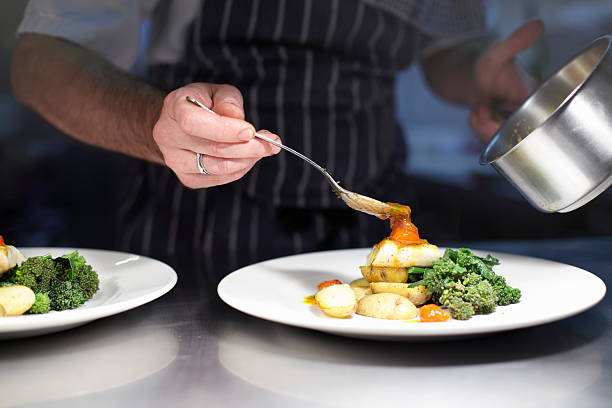
How a Catering Company Washington DC Can Meet Diverse Dietary Needs for a Successful Event
When planning a catered event, addressing dietary needs is one of the most critical factors in ensuring your guests have an enjoyable experience. Failing to account for allergies, food preferences, or religious restrictions can leave guests feeling excluded or even put their health at risk. Here’s why dietary considerations matter and how they can be effectively managed.
Understanding the Importance of Dietary Needs
- Health and Safety: Food allergies or intolerances (e.g., nut allergies, lactose intolerance) can have severe, life-threatening consequences if not addressed properly.
- Inclusivity: Catering to vegetarians, vegans, or those with religious dietary restrictions (e.g., kosher or halal) ensures every guest feels respected and included.
- Guest Satisfaction: Providing appropriate meal options leaves attendees with a lasting positive impression of the event.
Common Dietary Needs to Consider
| Dietary Requirement | Examples of Foods to Provide | Foods to Avoid |
| Vegan | Plant-based proteins, grains, vegetables | Any animal products (meat, dairy) |
| Vegetarian | Eggs, cheese, plant-based dishes | Meat, poultry |
| Gluten-Free | Rice-based dishes, gluten-free bread | Wheat-based products |
| Nut-Free | Nut-free desserts and entrees | Any items containing nuts |
| Halal | Halal-certified meats | Pork or non-halal meats |
| Kosher | Kosher-certified foods | Non-kosher-certified products |
How to Address Dietary Needs
- Gather Guest Information Early:
When sending out invitations or RSVPs for your event, include a section where guests can specify any dietary needs. This proactive approach helps avoid last-minute surprises. - Communicate with Your Caterer:
Share all relevant dietary requirements with your caterer as soon as possible. A professional caterer should have experience accommodating diverse needs. - Offer Variety in Your Menu:
Create a menu that includes diverse options for all types of eaters—this doesn’t mean you need dozens of dishes but having two to three versatile choices per course can go a long way. - Clearly Label Food Items:
At buffet-style events or food stations, ensure all dishes are clearly marked with labels that indicate allergens (like nuts or dairy) or special characteristics (e.g., gluten-free). This transparency makes it easier for guests to make informed decisions. - Double Check Cross-Contamination Risks:
Work closely with your caterer to ensure there’s no cross-contamination in food preparation areas—especially when dealing with allergens such as nuts or shellfish.
Benefits of Addressing Dietary Needs
Taking these steps will foster trust and appreciation among your guests while also ensuring a seamless dining experience. Guests will feel valued knowing their preferences and safety were prioritized in the planning process.
By carefully considering dietary needs during catering arrangements, not only do you avoid unnecessary complications but also elevate the overall success of your event through thoughtfulness and professionalism.
Why Considering Dietary Needs is Crucial for a Successful Catered Event
Planning a catered event involves numerous details, but one element that should never be overlooked is addressing dietary needs. Guests’ dietary preferences, restrictions, and allergies can significantly impact their overall experience, and neglecting these considerations can lead to dissatisfaction or even serious health risks. By carefully factoring in dietary needs, you can ensure a successful event that everyone enjoys.
The Growing Importance of Dietary Inclusivity
- Allergies: Common allergens include nuts, shellfish, dairy, gluten, and soy. Failing to account for these can result in severe allergic reactions.
- Religious or Cultural Restrictions: Some guests may follow kosher or halal diets or avoid certain foods for cultural reasons.
- Lifestyle Choices: Vegetarianism, veganism, and pescatarian diets are increasingly common among attendees.
Catering to these needs demonstrates respect and mindfulness while fostering an inclusive atmosphere where all guests feel valued.
Steps to Address Dietary Needs in Catering
- Request Information Early:
When sending out invitations or RSVPs, include a section for guests to indicate their dietary restrictions or preferences. This allows the caterer ample time to prepare appropriate menu options. - Collaborate with Your Caterer:
Share the list of dietary requests with your caterer well in advance. Professional caterers are skilled at crafting menus that meet various needs without compromising taste or presentation. - Offer Clearly Labeled Dishes:
Clear labeling of food items is essential for buffets and self-serve setups. Use signage or menu cards indicating which dishes are gluten-free, nut-free, vegetarian, vegan-friendly, etc. - Provide Variety Without Overcomplicating the Menu:
While catering to different needs is vital, avoid creating an overly complex menu that overwhelms guests or the culinary staff. Focus on versatile dishes that naturally align with multiple restrictions (e.g., vegetable-based soups without cream).
Examples of Inclusive Menu Options
| Dish | Allergen-Free | Vegetarian/Vegan | Cultural Considerations |
| Quinoa Salad | Yes | Vegan | Halal/Kosher compatible |
| Grilled Vegetables | Yes | Vegan | Halal/Kosher compatible |
| Lentil Soup | Yes | Vegan | Halal/Kosher compatible |
| Herb-Crusted Fish | Gluten-Free | Pescatarian | Halal option available |
Benefits of Addressing Dietary Needs
- Enhances guest satisfaction by ensuring everyone has enjoyable meal options.
- Avoids potential health incidents arising from allergens.
- Strengthens your reputation as a thoughtful host who values inclusivity.
- Reduces food waste by serving dishes tailored to confirmed preferences rather than generic offerings.
By prioritizing dietary needs during planning stages and working closely with your caterer, you create an environment where all guests feel cared for—something that leaves lasting positive impressions long after the event ends.
Simplifying the Menu for a Seamless and Enjoyable Catering Experience
Planning a catered event requires striking the right balance between variety and simplicity. A well-thought-out menu not only helps streamline operations but also creates a more enjoyable experience for your guests. Overcomplicating the menu can lead to logistical challenges, increased costs, and overwhelmed attendees. Below are key strategies for simplifying your menu without sacrificing quality or appeal.
Benefits of Simplifying Your Catering Menu
- Easier Execution:
A concise menu ensures that caterers can focus on perfecting each dish, enhancing overall quality and presentation. - Cost-Effective:
Fewer options reduce ingredient costs and cut down on preparation time, which can significantly lower your catering bill. - Minimizing Food Waste:
Offering fewer dishes ensures better portion control and reduces the likelihood of leftovers going to waste. - Improved Guest Experience:
A refined selection prevents decision fatigue among guests while ensuring that all menu items are thoughtfully curated.
Tips for Creating a Streamlined Catering Menu
- Focus on Signature Dishes:
Highlight one or two signature dishes that reflect the theme of your event or cuisine preferences. For example: - Italian-themed event: Feature ravioli with seasonal ingredients or classic risotto.
- BBQ-themed gathering: Focus on smoked brisket paired with cornbread.
- Limit Options per Course:
Offer no more than: - Two appetizers
- Two main courses (including one vegetarian option)
- Two dessert choices This keeps the menu manageable while catering to diverse preferences.
- Opt for Seasonal Ingredients:
Build your menu around seasonal produce and proteins. Seasonal ingredients are fresher, more affordable, and easier to source. - Incorporate Crowd-Pleasers:
Include universally loved dishes such as roasted chicken, pasta options, or fresh salads that appeal to a wide range of tastes.
Sample Simplified Wedding Menu
| Course | Option One | Option Two |
| Appetizer | Caprese Salad Skewers | Mini Crab Cakes |
| Main Course | Herb-Crusted Chicken | Vegetarian Mushroom Risotto |
| Dessert | Flourless Chocolate Cake | Seasonal Fruit Tart |
By limiting selections within each category, this sample wedding menu caters to various dietary needs while maintaining efficiency in preparation and service.
Communicating with Your Caterer
- Share details about guest preferences (e.g., dietary restrictions).
- Provide accurate headcounts early so they can prepare appropriate quantities.
- Conduct a tasting session before finalizing the list to confirm flavors align with expectations.
Streamlining doesn’t mean settling for less—it’s about curating an intentional dining experience that enhances your event rather than complicates it. When done strategically, simplifying the menu allows both you and your guests to fully enjoy the occasion without unnecessary stress or confusion.
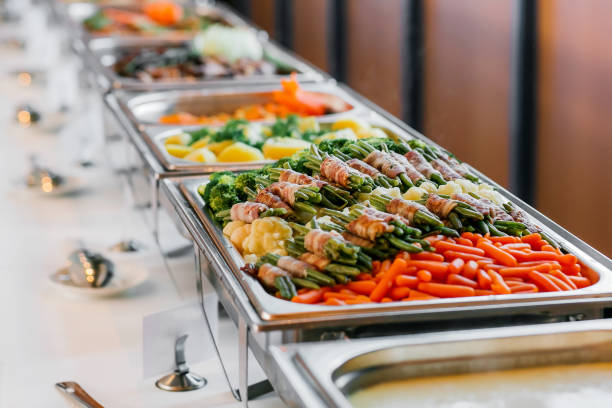
Mastering Timing to Ensure Smooth Delivery and Service at Catered Events
Effective timing is one of the most crucial elements of a successful catered event. Whether it’s a wedding, corporate gathering, or private celebration, poor timing can lead to delays, lukewarm food, and frustrated guests. Mastering the logistics of timing ensures that everything flows smoothly, creating a seamless experience for everyone involved. Below are key strategies to help you manage timing effectively for your catered event.
1. Develop a Comprehensive Timeline
Creating an event timeline is essential to align all activities with catering schedules. A well-thought-out timeline ensures that food preparation, transportation, serving, and cleanup are executed without delays.
Key components to include: – Setup Time: Allow adequate time for caterers to set up serving stations and arrange equipment. – Meal Service Timing: Decide if service will be buffet-style, plated meals, or family-style dining. – Breakdown Time: Allocate sufficient time for post-event cleanup without disrupting your schedule.
| Event Activity | Timeframe |
| Caterer Arrival | 2 hours before start |
| Appetizers & Drinks Served | 15 minutes after start |
| Main Course Service | 1 hour into the event |
| Dessert Served | 30 minutes before end |
| Cleanup Begins | At event conclusion |
2. Communicate Clearly with Your Caterer
Open communication with your caterer is essential to ensure they understand the schedule. Provide them with detailed information about: – Event start and end times. – Speeches or special activities (such as cake cutting) that affect service flow. – The pace at which courses should be served based on guest preferences.
Additionally, confirm staffing levels to ensure there are enough hands on deck to serve guests efficiently within the given timeframe.
3. Factor in Buffer Times
Unexpected issues can arise during any event—traffic delays during food delivery or unplanned changes in the program schedule may occur. Including buffer times within your plans helps accommodate these challenges without disrupting meal service.
For example: – Schedule deliveries at least an hour earlier than needed. – Build in additional time between courses if your event includes speeches or performances.
4. Coordinate Timing with Other Vendors
Catering often overlaps with other aspects of an event, such as entertainment or photography sessions. Coordinating schedules among vendors prevents conflicts and ensures a smooth flow of activities.
Some examples include: – Synchronizing meal service with music performances. – Ensuring photographers capture important moments (e.g., cake cutting) before dessert is served.
Consider holding a pre-event meeting or creating a shared agenda so all vendors are aligned on timing expectations.
5. Monitor During the Event
Even with detailed planning, it’s important to have someone oversee catering logistics on the day of the event. Designate a point person—whether it’s you, your planner, or an assistant—to ensure caterers stay on schedule and address any unforeseen issues promptly.
Tasks for this individual may include: – Checking when food is being prepared and served. – Communicating adjustments if speeches run longer than planned.
By having real-time oversight in place, you can make quick decisions that keep everything running smoothly.
Common Pitfalls Related to Timing (and How to Avoid Them)
| Mistake | Solution |
| Poor coordination between vendors | Host a meeting or create shared schedules ahead of time for seamless collaboration. |
| Underestimating setup requirements | Confirm setup needs during initial discussions; allocate extra time for unexpected delays. |
| Delayed meal service | Build buffer times into each stage of food prep and delivery for more flexibility. |
Mastering timing ensures not only that dishes are served as intended—fresh and flavorful—but also that guests enjoy their overall experience without unnecessary interruptions or inconveniences caused by poor scheduling decisions.
Mastering Timing to Ensure Smooth Delivery and Service at Catered Events
When it comes to catering for events, timing is one of the most critical factors that determine success. Even the best menu or most exquisite décor cannot compensate for delays, cold food, or rushed service. Whether you’re hosting a wedding, corporate event, or private party, mastering timing ensures guests enjoy a seamless dining experience. Below are practical insights into managing timing for catering services effectively.
Planning the Catering Timeline
- Setup Time:
Allocate enough time for your caterers to set up their equipment, tables, and serving stations before guests arrive. Depending on the venue and complexity of the setup, this may take anywhere from one to several hours. - Service Timing:
Decide on a clear start and end time for each meal service. For example:- Appetizers: 30–45 minutes before seating.
- Entrées: Served within 15 minutes of guests being seated.
- Dessert/Coffee: Begin service about 30 minutes after entrées are cleared.
- Cleanup Time:
Once food service is complete, caterers will need adequate time to clear dishes and pack their equipment without disrupting ongoing activities.
Collaboration with Vendors and Coordinators
- Venue Managers – Confirm when access is available for setup and breakdown.
- Event Planners – Align catering schedules with speeches, performances, or other key activities in the program.
- Entertainment Teams – Avoid scheduling food service during loud performances that might distract from dining experiences.
Mitigating Delays
- Order sufficient staff-to-guest ratios (for example, one server per 8–10 guests for plated dinners).
- Build buffer time into your schedule in case of unexpected slowdowns like traffic delays affecting delivery or late arrivals by guests.
- Confirm all delivery timelines for ingredients or supplies well in advance.
Real-Time Adjustments
- Training staff in problem-solving techniques ensures they handle situations like delayed meals efficiently without compromising quality.
- Have backup plans ready—such as substitutes for unavailable items or additional servers if lines grow long at buffet stations.
| Task | Ideal Timing | Notes |
| Venue Access | 3–5 hours pre-event | Ensure all approvals are secured in advance |
| Setup | 2–4 hours pre-event | Includes kitchen prep & table arrangement |
| Cocktail/Appetizer Hour | Start ~15 mins after guest arrival | Allows mingling before seated service |
| Entrée Service | Within first hour of seating | Should align with speeches (if any) |
| Dessert/Coffee | After main meal clearance (~30 mins) | Coordinate with entertainment segments |
Final Thoughts on Catering Timing
By prioritizing timing throughout the planning process, you can ensure not only smooth delivery but also an enjoyable guest experience. Timely service reflects professionalism on behalf of the caterer while providing attendees with high-quality meals served at optimal temperatures—a vital factor in leaving a lasting positive impression.
- Washington DC Catering: Everything You Need to Know for Event Success
- Top 8 Mistakes to Avoid When Booking the Perfect Washington DC Catering Service for Your Event
- Tips for Choosing the Best Washington DC Catering Service for Your Event
- Top Washington DC Catering Mistakes to Avoid for a Memorable Wedding Event
- 11 Types of Special Events That Washington DC Caterers Can Expertly Handle for Memorable Experiences
- Occasions That Call for the Expertise of Washington DC Caterers