
1. Not Researching the Caterer’s Reputation
Failing to research a caterer’s reputation is one of the biggest errors you can make. Look for:
– Online reviews and testimonials on trusted platforms
– References from past clients
– Ratings on social media or catering websites
By thoroughly vetting your options, you can ensure you’re working with a reliable professional.
2. Booking Too Late
Caterers often have packed schedules, especially during peak seasons like spring and summer. To secure your desired date:
– Book at least 6-12 months in advance for weddings or large events
– For smaller gatherings, aim for at least 3 months’ notice
Delaying your decision may leave you with fewer options.
3. Ignoring Budget Constraints
A lack of clarity on your budget can quickly derail catering plans. Avoid overspending by:
– Setting a realistic food and beverage budget upfront
– Requesting detailed quotes that outline costs per guest
This approach will help you stay organized while avoiding financial surprises.
4. Overlooking Guest Preferences and Dietary Needs
It’s essential to consider your guests’ preferences to create an inclusive menu:
– Account for dietary restrictions (e.g., vegan, gluten-free, allergies)
– Offer variety in cuisine styles and meal formats (buffet vs plated service)
Failing to do so may lead to dissatisfied guests.
5. Skipping a Tasting Session
Never skip the opportunity to taste-test menu items before making final decisions. Tastings allow you to:
– Assess food quality and presentation directly
– Provide feedback on flavor profiles
This step ensures both quality and satisfaction.
6. Disregarding Contract Details
Contracts protect both parties but can be overlooked in haste. Key elements to review include:
| Contract Element | Why It Matters |
|————————–|——————————————–|
| Payment Schedules | To avoid unexpected fees |
| Cancellation Policies | To understand refund terms |
| Specific Menu Items | Ensures clarity on what will be provided |
Pay attention before signing any agreement.
7. Forgetting About Logistics Requirements
Consider logistics such as space requirements for cooking or serving areas:
– Check if cooking facilities will be needed on-site
– Confirm if additional equipment like tables and flatware are included
Planning these details prevents last-minute issues.
8. Underestimating Service Staff Needs
The right level of staff is crucial for smooth service: – One server per X number-of guests Ideal
Ultimate Guide to Washington DC Caterers for an Unforgettable Event
Planning an event can be overwhelming, especially when trying to budget for catering. A well-thought-out cost guide can help you allocate your resources effectively while crafting an unforgettable experience for your guests. To streamline the process and avoid surprises, consider the following key components when budgeting for catering services.
Factors That Influence Catering Costs
- Guest Count: The number of guests significantly impacts your overall catering bill, as most caterers charge on a per-person basis.
- Menu Style: Decide between buffet-style, plated meals, food stations, or family-style service. Each option has different pricing structures based on staffing and food requirements.
- Type of Cuisine: Exotic or specialty cuisines may cost more due to unique ingredients or additional preparation time.
- Venue Requirements: Some venues have restrictions or additional fees for external caterers that could affect your budget.
- Service Level: Full-service catering with staff (e.g., waiters, bartenders) is more expensive than basic drop-off options.
- Beverage Packages: Alcoholic beverage packages can range from beer-and-wine-only options to premium open bars, significantly influencing costs.
Common Pricing Structures
| Pricing Structure | Description |
| Per Person | A fixed amount charged per guest; includes food and sometimes beverages |
| Flat Rate | One overall fee for the entire event; often used for smaller gatherings |
| Itemized Charges | Separate charges for individual menu items, staffing, rentals, and extras |
Practical Steps to Manage Catering Costs
- Set a Realistic Budget Early – Allocate a specific portion of your event budget to catering (typically 30%-50%).
- Request Detailed Quotes – Ensure quotes outline all inclusions like service fees, gratuities, and rentals so there are no hidden charges later.
- Consider Seasonal Ingredients – Using locally sourced seasonal ingredients can reduce costs while maintaining quality.
- Limit Menu Variety – A streamlined menu with fewer entrees and sides can reduce expenses without compromising guest satisfaction.
- Negotiate Wisely – Ask if any substitutions or package adjustments are available to better fit your budget.
Additional Tips
- Plan Ahead: Booking a caterer well in advance often secures better pricing compared to last-minute arrangements.
- Opt for Non-Peak Dates: Events held during off-season periods or weekdays may cost less than weekend bookings.
- Choose Buffet Over Plated Service: Buffets require fewer staff members compared to plated service setups which demand individual serving attention.
By understanding these cost components and planning strategically, you’ll not only stay within budget but also ensure that your event’s catering aligns seamlessly with your vision. This approach will leave both you and your guests impressed with the culinary experience without financial stress hindering the outcome of the occasion.
Your Ultimate Guide to Choosing a Catering Company Washington DC for an Unforgettable Event
Planning an event involves numerous decisions, but one of the most critical aspects is determining your catering budget. Catering costs can vary significantly depending on the type of event, menu preferences, and guest count. A well-structured approach to understanding catering expenses can help you create a memorable experience without overspending.
Factors Influencing Catering Costs
- The number of attendees has the most significant impact on your total expense. Most caterers charge on a per-person basis.
- For example:
| Guest Count | Average Cost Per Person | Estimated Total | |————-|————————-|—————–| | 50 | $35 | $1,750 | | 100 | $50 | $5,000 | - Buffet Style: Generally more affordable due to reduced staffing needs.
- Plated Meals: More formal and requires additional servers, increasing labor costs.
- Family Style: A middle ground where dishes are shared at each table.
- Premium ingredients such as seafood or exotic dishes increase costs.
- Dietary accommodations (vegan, gluten-free) may also require specialized ingredients or preparation time.
- Onsite kitchens reduce setup fees, while remote locations might require additional transportation or equipment rentals.
- Using in-season produce can lower ingredient costs compared to selecting out-of-season items.
Hidden Costs to Watch Out For
- Service Charges: Many caterers include gratuities or service fees (commonly 15%-20%) in their final invoice.
- Rentals: Items like tables, chairs, linens, and glassware are not always included in base prices.
- Transportation Fees: If the catering team must travel long distances or deliver food to remote areas.
- Setup/Breakdown Time: Additional staffing charges for handling setup and cleanup tasks beyond the standard timeframe.
Ways to Maximize Your Catering Budget
- Opt for a limited menu with fewer entree options instead of offering an extensive variety.
- Choose seasonal, locally sourced ingredients to reduce transportation and procurement costs.
- Negotiate package deals with your caterer by bundling food with related services like bar setups or dessert stations.
- Host events during off-peak seasons when caterers often offer discounts.
- Consider lunch or brunch events instead of dinner parties; these typically come at a lower cost due to simpler menus.
Sample Budget Breakdown Table
| Category | Estimated Percentage Allocation | Budget Amount ($) |
| Food & Beverages | 60% | $6,000 |
| Staffing | 20% | $2,000 |
| Rentals & Equipment | 10% | $1,000 |
| Taxes & Service Fees | 10% | $1,000 |
Adjust these percentages based on your event’s unique requirements.
Carefully evaluating each aspect of your catering plan ensures you stay within your budget while delivering an exceptional experience for guests. Thoughtfully balancing quality and cost will allow you to focus on creating unforgettable moments at your event without financial stress.

Unique Wedding Catering Washington DC Ideas to Make Your Big Day Unforgettable
Corporate events often require catering solutions that go beyond the ordinary to leave a lasting impression on attendees. Whether you’re hosting a formal business meeting, product launch, or employee appreciation event, creative catering ideas can elevate your gathering and make it memorable for all the right reasons. Here are some fresh and innovative approaches to corporate catering that can help you stand out.
Themed Food Stations
- Taco Bar: Guests can build their own tacos with a selection of proteins, fresh toppings, and salsas.
- Asian Fusion Station: Offer sushi rolls, dim sum, or noodle bowls prepared live by chefs.
- Mediterranean Mezze Table: Include an assortment of hummus, baba ghanoush, falafel, pita bread, and fresh vegetables.
- Dessert Bar: Let attendees indulge with cupcakes, macarons, or even custom ice cream sundaes.
These stations encourage interaction among guests and allow them to explore diverse flavors.
Interactive Catering Options
- Chef-On-Site Cooking Demonstrations: Feature chefs preparing dishes live for entertainment and education.
- Build-Your-Own Meals: Offer options like customizable rice bowls or salad bars where guests personalize their meals.
- Cocktail Pairing Stations: Partner with mixologists who create cocktails paired perfectly with specific appetizers or desserts.
Interactive catering not only satisfies hunger but also creates a memorable experience for attendees.
Healthy Catering Choices
| Menu Item | Description | Benefit |
| Fresh Fruit Platters | Seasonal fruit displayed attractively | Light yet satisfying option |
| Grain Bowls | Quinoa or farro with roasted veggies | Packed with nutrients |
| Smoothie Stations | Made-to-order smoothies using fresh produce | Refreshing and energizing choice |
Incorporating such items ensures that health-conscious attendees feel considered while still enjoying flavorful options.
Gourmet Boxed Meals
- Artisan sandwiches made with high-quality ingredients.
- Side salads featuring unique flavor profiles (e.g., arugula & pear salad).
- Individually packaged desserts such as mini cheesecakes or brownies.
This option combines convenience with sophistication while maintaining professionalism at any corporate setting.
Incorporating Local & Seasonal Ingredients
- Use locally sourced cheeses and breads for charcuterie boards.
- Highlight seasonal produce in salads and main courses.
- Serve regionally inspired dishes that reflect your area’s culinary heritage.
This approach adds authenticity to your menu while showcasing sustainability efforts—a detail that modern businesses increasingly value.
Beverage Innovation
- Craft coffee bar featuring specialty brews and latte art demonstrations.
- Non-alcoholic mocktail options tailored for professional gatherings.
- Infused water stations (options like cucumber-mint or lemon-lavender).
Refreshing beverage selections contribute to setting the tone for professional yet enjoyable events.
Strategic planning paired with imaginative catering ideas can transform any corporate gathering into an unforgettable experience that fosters connection while leaving a positive impression on attendees.
Tips to Define Your Event Vision for Successful Corporate Catering Washington DC
Defining a clear vision for your event is a critical first step when planning catering. This process not only helps communicate your ideas to the caterer but also ensures the final experience aligns with your expectations and goals. Here’s how to create a well-defined vision that becomes the foundation of a successful catering plan.
Understand the Purpose of Your Event
Before diving into logistics, take time to focus on why you’re hosting the event. Understanding its purpose will influence every decision, from menu selection to service style. Ask yourself:
– Is this a formal or casual gathering?
– Is it celebrating a milestone, launching something new, or fostering professional connections?
– Who will be attending, and what are their preferences or expectations?
A corporate luncheon, for instance, requires different catering than an outdoor wedding or an intimate birthday party.
Consider Venue and Atmosphere
Your event’s location plays a significant role in shaping catering options. Indoor venues offer flexibility with cuisine and equipment needs, while outdoor events may require more logistical support (e.g., setting up portable kitchens). Think about:
– The size of the space and guest count.
– Whether the venue has kitchen facilities or restrictions on outside vendors.
– Weather conditions if hosting outdoors and how they may affect food service.
By defining these factors early on, you can narrow down caterers who specialize in your type of venue.
Establish Key Event Themes or Styles
The theme or style of your event should harmonize with your catering choices. For example:
– A rustic garden wedding might feature farm-to-table menus with simple plating techniques.
– A black-tie gala could require multi-course meals with elegant presentation. – A casual backyard barbecue might focus on buffet-style serving and comfort foods.
Discussing these themes during initial consultations ensures alignment with your caterer’s capabilities.
Prioritize Guest Needs
Understanding guest preferences is crucial for creating an inclusive dining experience at your event: 1. Dietary Restrictions: Identify common allergies (e.g., gluten-free, nut-free) among attendees. 2. Cultural Preferences: Make accommodations for religious-based meal needs (e.g., kosher or halal). 3. Children’s Menu Options: If children are attending, consider simplified dishes that appeal to younger tastes.
A skilled caterer will work with you to craft an adaptable menu that meets diverse dietary requirements seamlessly.
Develop a Realistic Budget
Your budget directly impacts every aspect of catering planning — from menu sophistication to staffing levels — so having clear financial boundaries is essential: | Category | % of Catering Budget | Example Allocation* | |———————|———————-|————————————| | Food & Beverages | 50%-60% | Premium ingredients like seafood | | Staffing Costs | 15%-20% | Servers & bartenders | | Rentals/Equipment | 10%-15% | Dinnerware, tables | | Taxes & Gratuities | 10%-15% | Service fees |
(*Percentages are approximate; adjust as needed based on priorities).
By sharing this framework upfront with potential caterers during consultations, they can customize proposals accordingly.
Communicate Your Vision Effectively
To avoid miscommunication throughout the process: 1. Share visual inspiration (photos or mood boards) representing food presentation styles you’d like. 2. Provide written descriptions detailing atmosphere goals (formal vs relaxed). 3. Schedule tastings early where adjustments can still be made before finalizing arrangements.
Clear communication ensures cohesion between expectations versus deliverables provided by vendors selected later down line
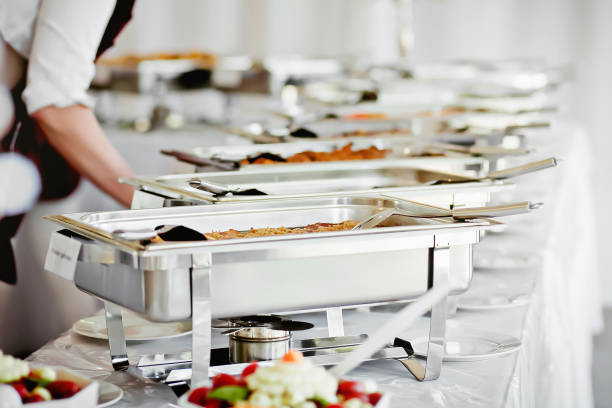
How to Navigate Food Delivery Washington DC: Tips for Early Planning with Caterers
When planning an event — whether it’s a wedding, corporate gathering, or milestone celebration — selecting the right caterer is one of the most critical decisions you’ll make. However, many overlook the importance of checking a caterer’s availability and conducting tastings early in the process. This can result in unnecessary stress and limited choices as your event date approaches. Here’s why these steps should be prioritized and how they can set your event up for success.
Why Checking Availability Early Is Critical
- Peak Seasons Fill Quickly: Caterers are especially busy during wedding season (spring/summer) and around holidays such as Thanksgiving and Christmas.
- Event Size Considerations: Larger events may require specialized planning that some caterers cannot accommodate at short notice.
- Limited Vendor Pool: If you have specific cuisine preferences or dietary needs, the pool of qualified caterers may shrink further.
To simplify this process: | Steps to Check Caterer Availability | Suggested Timeline | |————————————–|——————–| | Research catering companies | 8-12 months ahead | | Reach out with tentative event date | 8-10 months ahead | | Secure booking with deposit | Upon confirmation |
The Value of Early Tastings
A tasting session allows you to experience firsthand how a caterer’s offerings align with your vision. It goes beyond food quality; tastings provide insight into presentation style, portion sizes, and how well they understand your preferences.
Key benefits of scheduling tastings early: 1. Menu Customization: During tastings, you’ll have an opportunity to tweak the menu to better suit your theme or dietary requirements. 2. Gauge Professionalism: A well-organized tasting reflects positively on their ability to execute on event day. 3. Avoid Last-Minute Surprises: Discovering likes/dislikes closer to the date leaves less room for adjustments.
Tips for Scheduling Tastings Successfully
Here are some tips to maximize value from tasting sessions: – Prepare a list of questions beforehand (e.g., ingredient sourcing, food safety policies). – Bring key decision-makers involved in menu planning. – Request options that align with your event’s theme or specific attendee needs (e.g., vegetarian/vegan dishes).
Key Questions To Ask During Tastings
Use this opportunity not just to sample food but also to ensure logistical cohesion: 1. Can adjustments be made for specific dietary restrictions? 2. How will dishes be presented at the event? 3. Is there flexibility in portion sizes and serving styles?
Finalizing these logistics early helps avoid last-minute uncertainty while giving you confidence that every detail matches your expectations.
Prioritize Communication
Effective communication plays a crucial role in avoiding scheduling mishaps or unmet expectations with caterers: – Confirm deadlines for key decisions (menu finalization, guest counts). – Document all agreements in writing.
By prioritizing caterer availability checks and tastings early in the planning process, you’ll ensure a smoother experience while setting up an unforgettable dining experience tailored perfectly for your guests’ enjoyment.
Essential Questions to Ask About Dietary Needs and Presentation with a Caterer
When planning an event, catering is one of the most critical aspects to ensure the success of the occasion. One area that often requires special attention is addressing dietary needs and understanding how food will be presented. Asking the right questions early on helps avoid miscommunication, ensures guest satisfaction, and enhances the overall experience. Below are some essential questions to consider when discussing dietary needs and presentation with your caterer.
Dietary Needs
- Do you accommodate dietary restrictions?
Check if they can cater to common restrictions like gluten-free, vegan, vegetarian, dairy-free, nut-free, or kosher requirements. - How do you handle food allergies?
Confirm their processes for minimizing cross-contamination risks during preparation and serving. - Can you provide customized menus?
Ask if they can tailor dishes or create separate menus for guests with special needs. - Are nutritional details available for dishes?
This is especially useful if your guests are health-conscious or require calorie counts and ingredient transparency.
Food Presentation
- What serving styles do you offer?
Determine whether they provide plated meals, buffet-style dining, family-style service, food stations, or interactive options like live cooking demonstrations. - Can I see examples of table setups or past events?
Reviewing photos or videos from previous events can help gauge their aesthetic sense and attention to detail in presentation. - Do you provide themed presentations?
If your event has a theme (e.g., rustic chic or modern elegance), inquire whether they can customize decor elements like tableware or food layouts accordingly. - Is garnishing included in meal preparation?
Beautiful garnishes not only enhance flavor but also add sophistication to dish presentations.
Communication Around Preferences
- Request sample menus early in the planning process to get a clear idea of available options.
- Schedule a tasting session before finalizing decisions so you can evaluate both taste and presentation quality.
- Keep an open line of communication about any changes in guest count or additional dietary requests as they arise.
Sample Table Comparison
| Dietary Need/Request | Caterer Response Time | Customization Options Available | Confidence Level (1–5) |
| Vegan Menu | Within 48 hours | Yes | 5 |
| Nut-Free | Immediate | Partial | 4 |
| Themed Food Presentation | Week-long lead time | Yes | 5 |
Thoroughly addressing these areas will not only streamline your catering planning process but also leave attendees feeling valued and cared for through thoughtful menu curation and appealing presentation choices. Collaborating closely with your chosen caterer positions your event for culinary success while accommodating diverse guest preferences efficiently.
- Washington DC Catering: Everything You Need to Know for Event Success
- Top 8 Mistakes to Avoid When Booking the Perfect Washington DC Catering Service for Your Event
- Tips for Choosing the Best Washington DC Catering Service for Your Event
- Top Washington DC Catering Mistakes to Avoid for a Memorable Wedding Event
- 11 Types of Special Events That Washington DC Caterers Can Expertly Handle for Memorable Experiences
- Occasions That Call for the Expertise of Washington DC Caterers