Washington DC Catering: Everything You Need to Know for Event Success

When organizing an event, one of the most critical aspects to consider is the catering. Whether it’s a corporate meeting, wedding, birthday party, or any other gathering, catering can significantly impact the overall success and guest experience. Understanding the essentials of catering orders ensures seamless planning and execution for any type of event.

Why Washington DC Caterers Are Essential for Events

  • Guest Experience: Well-prepared food leaves a lasting impression on attendees. The quality and presentation of meals can elevate the tone of any event.
  • Efficient Planning: A thoughtful catering order ensures that food quantities are adequate, dietary preferences are addressed, and no guest leaves unsatisfied.
  • Cost Management: With proper planning, you can avoid overspending by ordering precisely what’s needed without compromising quality.
  • Time-Saving: Partnering with professional caterers allows you to focus on other event details while experts manage food preparation and service.

Essential Tips for Choosing a Catering Company Washington DC

Key Element Description
Guest Count Determine an accurate headcount early to ensure sufficient portions.
Dietary Restrictions Identify allergies or specific dietary needs among attendees (vegan, gluten-free).
Menu Selection Choose dishes that align with the theme and tone of your event.
Service Style Decide between buffet-style, plated service, or food stations based on the occasion.
Event Timeline Coordinate delivery/setup times with your caterer to align with your schedule.

Popular Options for Wedding Catering in Washington DC

  1. Corporate Catering: Ideal for meetings, conferences, or company events; often includes boxed lunches or buffet options.
  2. Wedding Catering: Customizable menus tailored to a couple’s preferences and themes; may include hors d’oeuvres and plated meals.
  3. Social Event Catering: Designed for birthdays, anniversaries, or family gatherings; casual meal options like finger foods are popular here.
  4. Specialty Catering: Focuses on specific cuisines like vegan/organic menus or cultural specialties such as Mediterranean or Asian cuisine.

Why Choose Corporate Catering Washington DC for Your Next Event

  • Expertise: Skilled caterers like washingtondccatering.net understand portion sizes and menu pairings that work best for each type of gathering.
  • Convenience: They handle everything from setup to cleanup so you can focus on hosting.
  • Customization: Caterers allow personalization in menu design based on preferences or themes.
  • Quality Assurance: Experienced teams ensure food safety standards are maintained throughout preparation.

Final Thoughts on Food Delivery Washington DC

Catering orders form the backbone of successful events by ensuring guests’ needs are met while reflecting the host’s vision for the occasion. By understanding its key components—guest count, menu customization, service styles—and collaborating with trusted professionals when necessary, you can streamline this process effortlessly while elevating your event experience for everyone involved.

Planning a Successful Event by Mastering Your Catering Order

Organizing an event involves many moving parts, and one of the most critical aspects is ensuring your catering order is well-planned and executed. A perfectly tailored catering order not only satisfies guests but also contributes to the overall success of the event. Here are some essential strategies for mastering your catering order to help your event run seamlessly.

Understand Your Event Requirements

  • Event Type: Is it a corporate gathering, wedding, birthday party, or casual get-together? The menu and service style often depend on the nature of the event.
  • Guest Count: An accurate headcount ensures there’s enough food for everyone without excessive waste. Always account for last-minute changes or RSVPs.
  • Venue Restrictions: Some venues may have restrictions regarding food vendors or specific setup requirements for caterers. Clarify these details early in the planning process.

Customize Your Menu

  1. Include vegetarian, vegan, gluten-free, and other options to accommodate diverse needs.
  2. Make sure allergens such as nuts, dairy, or shellfish are clearly labeled.
  3. For formal events, consider plated meals with elegant presentations.
  4. For casual settings, opt for buffet-style dining with comfort foods or finger foods.
  5. Tailor your menu with regional or ethnic dishes if your audience has specific cultural backgrounds.
Event Type Suggested Service Style Menu Highlights
Corporate Lunch Boxed Meals Sandwiches, Salads
Wedding Reception Plated Dinner Seasonal Entrées & Desserts
Birthday Party Buffet Finger Foods & Fun Desserts
Outdoor Picnic Food Stations BBQ Options & Fresh Beverages

Communicate Clearly with Your Caterer

  • Portion Estimates: Ask how much food is typically prepared per guest based on your choices.
  • Timing: Confirm setup times and serving schedules to avoid delays during the event.
  • Special Requests: Share any customizations such as dietary restrictions or presentation preferences.

Consider Logistics

  • Serving Equipment: Will you need additional utensils, plates, napkins, or serving tables?
  • Staffing: Decide if you require servers or bartenders depending on guest count and service expectations.
  • Cleanup Plan: Confirm if cleanup services are included in the catering package or need separate arrangements.

Finalize Details Well in Advance

To avoid last-minute stress related to your catering order:
– Place orders at least three weeks before larger events and confirm all details a few days prior. – Discuss contingency plans in case of unexpected changes like weather-related issues for outdoor events.

By mastering these aspects of a catering order, you’ll create an organized system that leaves both you and your guests impressed with every detail—culinary excellence included!

How Are Catering Orders Classified for Different Events?

When it comes to planning an event, catering plays a significant role in ensuring a seamless experience. Catering orders can be classified based on the type of event, the style of service, and the specific needs of attendees. Understanding these classifications can help organizers choose the most suitable catering option that aligns with their objectives. Below is an in-depth look at how catering orders are typically categorized.

Classification by Event Type

  • Breakfast meetings
  • Team-building luncheons
  • Product launches or conferences
    These events typically demand efficiency and professionalism, often featuring buffet-style or boxed meals that cater to tight schedules.
  • Weddings
  • Birthdays
  • Anniversaries
    Social celebrations often require more personalized menus with diverse options to meet varied tastes and preferences.
  • Fundraisers
  • Volunteer appreciation dinners
    For these events, budget-conscious catering is essential while still striving for quality. Buffet-style meals or family-style service are popular choices here.

Classification by Style of Service

  1. Plated Service: Meals are prepared and served individually to each guest at their table. This is common for formal events like weddings or gala dinners where presentation matters significantly.
  2. Buffet: Guests serve themselves from a spread of dishes. This setup provides variety and flexibility while accommodating large groups efficiently.
  3. Family-Style Service: Dishes are placed on tables for guests to share among themselves, creating a communal dining experience suitable for casual or intimate gatherings.
  4. Drop-Off Catering: The caterer delivers prepared food without providing serving staff or additional services, ideal for small-scale meetings or informal parties.
  5. Food Stations: Interactive stations offering made-to-order items like pasta bars or carving stations are perfect for adding an experiential element to your event.
  6. Cocktail-Style Service: This involves small bites (canapés) served either as passed hors d’oeuvres or stationed displays during mingling events.

Factors Influencing Catering Choices

Factor How It Impacts Your Order
Event Size Larger groups may lean towards buffet-style service
Budget Determines whether high-end plated meals are feasible
Dietary Restrictions Influences menu customization (vegan/gluten-free etc.)
Venue Layout May restrict certain styles (e.g., no space for buffets)

Leveraging Caterers’ Expertise

Professional caterers often help classify the appropriate type of order based on your unique event requirements, guiding you through menu selection, portion sizes, and logistical considerations such as timing and staffing needs.

Carefully classifying your catering order based on these factors ensures both efficiency and guest satisfaction—two hallmarks of a successful event experience.

How Are Catering Orders Classified for Different Events?

Catering orders play a pivotal role in the success of any event by ensuring the food and beverage needs of attendees are met with precision. However, not all events are created equal, and catering requirements can vary significantly based on the type of gathering. Below is an exploration of how catering orders are classified for different events to help you make informed decisions.

1. Personal Events (Social Gatherings)

Personal events often focus on creating a relaxed and celebratory environment for guests. Common examples of personal events include birthday parties, weddings, anniversaries, and family reunions. Catering orders for such occasions typically consider factors like dietary preferences and variety.

Key Considerations: – Menu customization: Include popular options like finger foods, desserts, or themed cuisines. – Beverage selection: Offer a mix of alcoholic and non-alcoholic beverages tailored to your guests. – Portion size: Plan portions based on the length of the event and guest count.

Example Menu for Personal Events:
| Dish Category | Example Items | |—————–|———————————-| | Appetizers | Mini bruschetta, stuffed mushrooms | | Main Course | Grilled chicken, pasta primavera | | Desserts | Cupcakes, fruit tarts |

2. Corporate or Business Events

Corporate catering focuses on professionalism while accommodating diverse food preferences. These events include meetings, conferences, product launches, and team-building activities.

Key Features for Corporate Catering Orders: – Efficiency: Opt for individually packed meals or buffet-style service to save time. – Dietary inclusivity: Offer vegetarian, vegan, gluten-free, or allergen-sensitive options. – Timing flexibility: Plan menus that align with meeting schedules (e.g., breakfast buffets or coffee breaks).

Popular Choices: Sandwich platters, fresh salads, coffee stations.

3. Formal Events (Gala Dinners & Fundraisers)

Formal events demand an elevated level of sophistication in both presentation and menu selection. The focus here is on high-quality ingredients and elegant service.

Classification Features: – Multi-course meals: Caterers typically prepare appetizers, main courses with wine pairings, and exquisite desserts. – Attention to detail: Plated service is common to maintain consistency in presentation. – Upscale ingredients: Dishes may feature premium products like truffles or aged cheeses.

Sample Format: | Course | Example Item | |—————–|———————————-| | Starter | Lobster bisque | | Entrée | Beef Wellington | | Dessert | Dark chocolate mousse |

4. Casual Gatherings (Picnics & Outdoor Events)

Casual gatherings embrace simplicity with comfort-friendly menus tailored toward outdoor settings like picnics or BBQs.

Popular choices include: – BBQ favorites such as burgers and hotdogs – Fresh sides like coleslaw or potato salad – Refreshing beverages including lemonade or iced tea

Buffet setups are ideal for these events as they encourage mingling among attendees without formal table service.

5. Large-scale Festivals & Community Events

Events such as music festivals or neighborhood fairs require large-scale catering solutions that emphasize quantity without compromising quality.

Unique considerations: – Self-service stations featuring crowd favorites (e.g., tacos stands). – Portable food items that are easy to grab-and-go. – Partnerships with local vendors to diversify offerings efficiently.

Understanding how catering orders align with event types allows you to create customized experiences that resonate with attendees while meeting logistical needs effectively. The key lies in aligning menu design with the tone and purpose of your gathering while remaining mindful of budgetary constraints where necessary.

Top Tips for Creating Successful Catering Orders Every Time

Creating a successful catering order is essential to the smooth execution of any event, whether it’s a small gathering or a large corporate function. A well-thought-out catering plan ensures guests are satisfied, budgets are met, and the overall experience is seamless. Below are actionable tips to help you get it right every time.

Know Your Guest List

Understanding your guests is the first step in crafting the perfect catering order. Take these factors into account:
Dietary Requirements: Identify dietary restrictions such as vegetarian, vegan, gluten-free, or allergies to ensure everyone can enjoy the meal.
Headcount: Have an accurate guest count to avoid over-ordering or running out of food.

Guest Category Estimated Number Dietary Notes
Vegetarian 10 No meat
Vegan 5 No animal products
Gluten-Free 7 Avoid wheat
General Diet Guests 50 No restrictions

Consider Event Type and Timing

The nature of your event heavily influences your catering needs:
Formal vs. Casual: A seated dinner requires different planning compared to buffet-style service or hors d’oeuvre stations.
Time of Day: Breakfast, lunch, and dinner menus vary in portion sizes and food types (e.g., lighter fare for morning events).
Event Duration: For longer events, consider beverages and snacks in addition to main courses.

Choose a Menu That Aligns with Your Theme

Your menu should complement the theme or purpose of the event. Some examples include:
– Corporate meeting? Opt for clean, easy-to-eat meals that won’t disrupt productivity (e.g., sandwich platters or boxed lunches).
– Wedding reception? A multi-course plated dinner may be more appropriate.

You can also explore seasonal options by incorporating fresh fruits and vegetables available at that time of year.

Budget Considerations

Set a clear budget before placing your order. Key tips include:
1. Work with caterers who offer customizable packages within your price range. 2. Avoid extras that don’t add value for guests (e.g., overly elaborate decorations). 3. Negotiate costs where possible without compromising quality.

Budget Range Suggested Catering Option
$15-$25/person Buffet-style service
$25-$40/person Plated meals with 2 entree options
Above $40/person Premium service (cocktails & gourmet dishes)

Communicate Clearly With Your Caterer

Strong communication with your caterer ensures everything goes as planned: 1. Provide detailed instructions about delivery times and locations. 2. Verify what’s included in their service—such as staffing, utensils, or clean-up. 3. Request tastings beforehand if possible to ensure quality.

Review Logistics Early On

Plan logistical details thoroughly: – Ensure adequate space for food setup at the venue. – Confirm if additional equipment (e.g., warming trays) is required. – Coordinate timing so food arrives fresh and on schedule.

By following these tips consistently for every event you plan, you’ll set yourself up for success while delivering an exceptional dining experience tailored perfectly to your guests’ needs.

Plan Your Catering Order in Advance to Ensure Event Perfection

Proper planning is the foundation of a successful catering order. Whether you’re organizing a corporate gathering, wedding, or small family celebration, taking strategic steps in advance ensures that every detail aligns with your event goals. Below, we’ll explore actionable steps and considerations to help you streamline your catering order for maximum success.

Key Benefits of Advance Planning

Planning ahead allows you to:
Ensure Availability: Popular caterers and venues often book up quickly. Early planning secures your preferred choice.
Stay Within Budget: With time on your side, you can compare costs and make cost-effective decisions without sacrificing quality.
Minimize Last-Minute Stress: Advanced preparation reduces the chances of overlooking crucial details as deadlines approach.

Steps to Plan Your Catering Order in Advance

  1. Define Your Event Details
    Start by outlining the key information that will shape your catering order:
  2. Type of event (e.g., wedding, corporate lunch, birthday)
  3. Guest count (always account for a few extras)
  4. Venue location and setup requirements
  5. Set Your Budget
    A well-defined budget helps prioritize spending effectively across food, beverages, staff, and rentals. Be transparent with your caterer about financial limits from the outset so they can tailor options accordingly.
  6. Choose a Catering Style
    Select a service style that complements your event’s theme and size:
  7. Plated Meal: Formal presentation ideal for weddings or gala dinners.
  8. Buffet Service: Flexible option suitable for larger gatherings offering variety at scale.
  9. Family Style Dining: Encourages interaction by serving dishes to share at each table.
  10. Food Stations or Cocktail Receptions: Great for informal networking events or celebrations with diverse menus.
  11. Confirm Dietary Needs and Preferences Collaborate with guests early to identify dietary restrictions such as allergies (e.g., gluten-free, nut-free) or lifestyle choices (e.g., vegetarian/vegan). Providing inclusive menu options enhances the experience for all attendees.
  12. Schedule Tastings When Possible
    Arrange tastings well before committing to a menu so you can assess quality firsthand and make adjustments as necessary.
  13. Secure Logistics Early On Work closely with your caterer to confirm logistical details: | Detail | Considerations | |———————–|———————————————–| | Delivery Timing | Ensure food arrives fresh before serving time | | Staff Requirements | Confirm whether servers are included | | Equipment Rentals | Tables, chairs, linens — align with theme |
  14. Build a Timeline Draft an event timeline detailing when meals will be served alongside other scheduled activities like speeches or entertainment.

Common Mistakes to Avoid When Ordering Catering

Avoid these pitfalls during your planning process: – Waiting until the last minute to place orders. – Overlooking hidden fees in contracts (e.g., gratuity charges or setup costs). – Assuming all guests have identical preferences without confirming dietary needs. – Neglecting post-event cleanup arrangements if not covered by the caterer.

Advanced planning transforms your catering order into a seamless experience while enabling you to focus on enjoying the event itself rather than managing last-minute hurdles on the day-of execution.


Top 8 Mistakes to Avoid When Booking the Perfect Washington DC Catering Service for Your Event

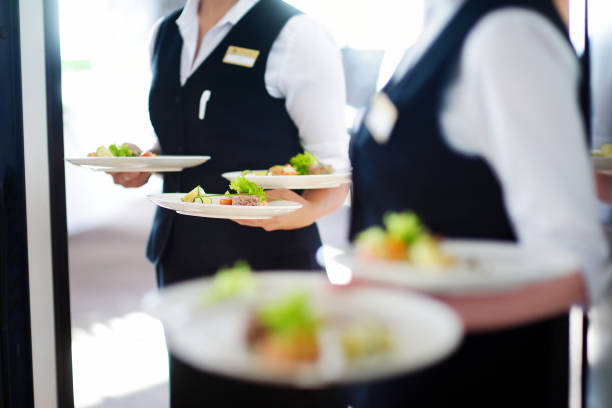
Waiter carrying plates with meat dish Waiter carrying plates with meat dish on some festive event, party or wedding reception catering services stock pictures, royalty-free photos & images

1. Not Researching the Caterer’s Reputation

Failing to research a caterer’s reputation is one of the biggest errors you can make. Look for:
– Online reviews and testimonials on trusted platforms
– References from past clients
– Ratings on social media or catering websites

By thoroughly vetting your options, you can ensure you’re working with a reliable professional.

2. Booking Too Late

Caterers often have packed schedules, especially during peak seasons like spring and summer. To secure your desired date:
– Book at least 6-12 months in advance for weddings or large events
– For smaller gatherings, aim for at least 3 months’ notice

Delaying your decision may leave you with fewer options.

3. Ignoring Budget Constraints

A lack of clarity on your budget can quickly derail catering plans. Avoid overspending by:
– Setting a realistic food and beverage budget upfront
– Requesting detailed quotes that outline costs per guest

This approach will help you stay organized while avoiding financial surprises.

4. Overlooking Guest Preferences and Dietary Needs

It’s essential to consider your guests’ preferences to create an inclusive menu:
– Account for dietary restrictions (e.g., vegan, gluten-free, allergies)
– Offer variety in cuisine styles and meal formats (buffet vs plated service)

Failing to do so may lead to dissatisfied guests.

5. Skipping a Tasting Session

Never skip the opportunity to taste-test menu items before making final decisions. Tastings allow you to:
– Assess food quality and presentation directly
– Provide feedback on flavor profiles

This step ensures both quality and satisfaction.

6. Disregarding Contract Details

Contracts protect both parties but can be overlooked in haste. Key elements to review include:
| Contract Element | Why It Matters |
|————————–|——————————————–|
| Payment Schedules | To avoid unexpected fees |
| Cancellation Policies | To understand refund terms |
| Specific Menu Items | Ensures clarity on what will be provided |

Pay attention before signing any agreement.

7. Forgetting About Logistics Requirements

Consider logistics such as space requirements for cooking or serving areas:
– Check if cooking facilities will be needed on-site
– Confirm if additional equipment like tables and flatware are included

Planning these details prevents last-minute issues.

8. Underestimating Service Staff Needs

The right level of staff is crucial for smooth service: – One server per X number-of guests Ideal

Ultimate Guide to Washington DC Caterers for an Unforgettable Event

Planning an event can be overwhelming, especially when trying to budget for catering. A well-thought-out cost guide can help you allocate your resources effectively while crafting an unforgettable experience for your guests. To streamline the process and avoid surprises, consider the following key components when budgeting for catering services.

Factors That Influence Catering Costs

  • Guest Count: The number of guests significantly impacts your overall catering bill, as most caterers charge on a per-person basis.
  • Menu Style: Decide between buffet-style, plated meals, food stations, or family-style service. Each option has different pricing structures based on staffing and food requirements.
  • Type of Cuisine: Exotic or specialty cuisines may cost more due to unique ingredients or additional preparation time.
  • Venue Requirements: Some venues have restrictions or additional fees for external caterers that could affect your budget.
  • Service Level: Full-service catering with staff (e.g., waiters, bartenders) is more expensive than basic drop-off options.
  • Beverage Packages: Alcoholic beverage packages can range from beer-and-wine-only options to premium open bars, significantly influencing costs.

Common Pricing Structures

Pricing Structure Description
Per Person A fixed amount charged per guest; includes food and sometimes beverages
Flat Rate One overall fee for the entire event; often used for smaller gatherings
Itemized Charges Separate charges for individual menu items, staffing, rentals, and extras

Practical Steps to Manage Catering Costs

  1. Set a Realistic Budget Early – Allocate a specific portion of your event budget to catering (typically 30%-50%).
  2. Request Detailed Quotes – Ensure quotes outline all inclusions like service fees, gratuities, and rentals so there are no hidden charges later.
  3. Consider Seasonal Ingredients – Using locally sourced seasonal ingredients can reduce costs while maintaining quality.
  4. Limit Menu Variety – A streamlined menu with fewer entrees and sides can reduce expenses without compromising guest satisfaction.
  5. Negotiate Wisely – Ask if any substitutions or package adjustments are available to better fit your budget.

Additional Tips

  • Plan Ahead: Booking a caterer well in advance often secures better pricing compared to last-minute arrangements.
  • Opt for Non-Peak Dates: Events held during off-season periods or weekdays may cost less than weekend bookings.
  • Choose Buffet Over Plated Service: Buffets require fewer staff members compared to plated service setups which demand individual serving attention.

By understanding these cost components and planning strategically, you’ll not only stay within budget but also ensure that your event’s catering aligns seamlessly with your vision. This approach will leave both you and your guests impressed with the culinary experience without financial stress hindering the outcome of the occasion.

Your Ultimate Guide to Choosing a Catering Company Washington DC for an Unforgettable Event

Planning an event involves numerous decisions, but one of the most critical aspects is determining your catering budget. Catering costs can vary significantly depending on the type of event, menu preferences, and guest count. A well-structured approach to understanding catering expenses can help you create a memorable experience without overspending.

Factors Influencing Catering Costs

  1. The number of attendees has the most significant impact on your total expense. Most caterers charge on a per-person basis.
  2. For example:
    | Guest Count | Average Cost Per Person | Estimated Total | |————-|————————-|—————–| | 50 | $35 | $1,750 | | 100 | $50 | $5,000 |
  3. Buffet Style: Generally more affordable due to reduced staffing needs.
  4. Plated Meals: More formal and requires additional servers, increasing labor costs.
  5. Family Style: A middle ground where dishes are shared at each table.
  6. Premium ingredients such as seafood or exotic dishes increase costs.
  7. Dietary accommodations (vegan, gluten-free) may also require specialized ingredients or preparation time.
  8. Onsite kitchens reduce setup fees, while remote locations might require additional transportation or equipment rentals.
  9. Using in-season produce can lower ingredient costs compared to selecting out-of-season items.

Hidden Costs to Watch Out For

  • Service Charges: Many caterers include gratuities or service fees (commonly 15%-20%) in their final invoice.
  • Rentals: Items like tables, chairs, linens, and glassware are not always included in base prices.
  • Transportation Fees: If the catering team must travel long distances or deliver food to remote areas.
  • Setup/Breakdown Time: Additional staffing charges for handling setup and cleanup tasks beyond the standard timeframe.

Ways to Maximize Your Catering Budget

  1. Opt for a limited menu with fewer entree options instead of offering an extensive variety.
  2. Choose seasonal, locally sourced ingredients to reduce transportation and procurement costs.
  3. Negotiate package deals with your caterer by bundling food with related services like bar setups or dessert stations.
  4. Host events during off-peak seasons when caterers often offer discounts.
  5. Consider lunch or brunch events instead of dinner parties; these typically come at a lower cost due to simpler menus.

Sample Budget Breakdown Table

Category Estimated Percentage Allocation Budget Amount ($)
Food & Beverages 60% $6,000
Staffing 20% $2,000
Rentals & Equipment 10% $1,000
Taxes & Service Fees 10% $1,000

Adjust these percentages based on your event’s unique requirements.

Carefully evaluating each aspect of your catering plan ensures you stay within your budget while delivering an exceptional experience for guests. Thoughtfully balancing quality and cost will allow you to focus on creating unforgettable moments at your event without financial stress.

Hand making cocktail Hand making red cocktail at the open-air wedding party. catering services stock pictures, royalty-free photos & images

Unique Wedding Catering Washington DC Ideas to Make Your Big Day Unforgettable

Corporate events often require catering solutions that go beyond the ordinary to leave a lasting impression on attendees. Whether you’re hosting a formal business meeting, product launch, or employee appreciation event, creative catering ideas can elevate your gathering and make it memorable for all the right reasons. Here are some fresh and innovative approaches to corporate catering that can help you stand out.

Themed Food Stations

  • Taco Bar: Guests can build their own tacos with a selection of proteins, fresh toppings, and salsas.
  • Asian Fusion Station: Offer sushi rolls, dim sum, or noodle bowls prepared live by chefs.
  • Mediterranean Mezze Table: Include an assortment of hummus, baba ghanoush, falafel, pita bread, and fresh vegetables.
  • Dessert Bar: Let attendees indulge with cupcakes, macarons, or even custom ice cream sundaes.

These stations encourage interaction among guests and allow them to explore diverse flavors.

Interactive Catering Options

  • Chef-On-Site Cooking Demonstrations: Feature chefs preparing dishes live for entertainment and education.
  • Build-Your-Own Meals: Offer options like customizable rice bowls or salad bars where guests personalize their meals.
  • Cocktail Pairing Stations: Partner with mixologists who create cocktails paired perfectly with specific appetizers or desserts.

Interactive catering not only satisfies hunger but also creates a memorable experience for attendees.

Healthy Catering Choices

Menu Item Description Benefit
Fresh Fruit Platters Seasonal fruit displayed attractively Light yet satisfying option
Grain Bowls Quinoa or farro with roasted veggies Packed with nutrients
Smoothie Stations Made-to-order smoothies using fresh produce Refreshing and energizing choice

Incorporating such items ensures that health-conscious attendees feel considered while still enjoying flavorful options.

Gourmet Boxed Meals

  • Artisan sandwiches made with high-quality ingredients.
  • Side salads featuring unique flavor profiles (e.g., arugula & pear salad).
  • Individually packaged desserts such as mini cheesecakes or brownies.

This option combines convenience with sophistication while maintaining professionalism at any corporate setting.

Incorporating Local & Seasonal Ingredients

  1. Use locally sourced cheeses and breads for charcuterie boards.
  2. Highlight seasonal produce in salads and main courses.
  3. Serve regionally inspired dishes that reflect your area’s culinary heritage.

This approach adds authenticity to your menu while showcasing sustainability efforts—a detail that modern businesses increasingly value.

Beverage Innovation

  • Craft coffee bar featuring specialty brews and latte art demonstrations.
  • Non-alcoholic mocktail options tailored for professional gatherings.
  • Infused water stations (options like cucumber-mint or lemon-lavender).

Refreshing beverage selections contribute to setting the tone for professional yet enjoyable events.

Strategic planning paired with imaginative catering ideas can transform any corporate gathering into an unforgettable experience that fosters connection while leaving a positive impression on attendees.

Tips to Define Your Event Vision for Successful Corporate Catering Washington DC

Defining a clear vision for your event is a critical first step when planning catering. This process not only helps communicate your ideas to the caterer but also ensures the final experience aligns with your expectations and goals. Here’s how to create a well-defined vision that becomes the foundation of a successful catering plan.

Understand the Purpose of Your Event

Before diving into logistics, take time to focus on why you’re hosting the event. Understanding its purpose will influence every decision, from menu selection to service style. Ask yourself:
– Is this a formal or casual gathering?
– Is it celebrating a milestone, launching something new, or fostering professional connections?
– Who will be attending, and what are their preferences or expectations?

A corporate luncheon, for instance, requires different catering than an outdoor wedding or an intimate birthday party.

Consider Venue and Atmosphere

Your event’s location plays a significant role in shaping catering options. Indoor venues offer flexibility with cuisine and equipment needs, while outdoor events may require more logistical support (e.g., setting up portable kitchens). Think about:
– The size of the space and guest count.
– Whether the venue has kitchen facilities or restrictions on outside vendors.
– Weather conditions if hosting outdoors and how they may affect food service.

By defining these factors early on, you can narrow down caterers who specialize in your type of venue.

Establish Key Event Themes or Styles

The theme or style of your event should harmonize with your catering choices. For example:
– A rustic garden wedding might feature farm-to-table menus with simple plating techniques.
– A black-tie gala could require multi-course meals with elegant presentation. – A casual backyard barbecue might focus on buffet-style serving and comfort foods.

Discussing these themes during initial consultations ensures alignment with your caterer’s capabilities.

Prioritize Guest Needs

Understanding guest preferences is crucial for creating an inclusive dining experience at your event: 1. Dietary Restrictions: Identify common allergies (e.g., gluten-free, nut-free) among attendees. 2. Cultural Preferences: Make accommodations for religious-based meal needs (e.g., kosher or halal). 3. Children’s Menu Options: If children are attending, consider simplified dishes that appeal to younger tastes.

A skilled caterer will work with you to craft an adaptable menu that meets diverse dietary requirements seamlessly.

Develop a Realistic Budget

Your budget directly impacts every aspect of catering planning — from menu sophistication to staffing levels — so having clear financial boundaries is essential: | Category | % of Catering Budget | Example Allocation* | |———————|———————-|————————————| | Food & Beverages | 50%-60% | Premium ingredients like seafood | | Staffing Costs | 15%-20% | Servers & bartenders | | Rentals/Equipment | 10%-15% | Dinnerware, tables | | Taxes & Gratuities | 10%-15% | Service fees |

(*Percentages are approximate; adjust as needed based on priorities).

By sharing this framework upfront with potential caterers during consultations, they can customize proposals accordingly.

Communicate Your Vision Effectively

To avoid miscommunication throughout the process: 1. Share visual inspiration (photos or mood boards) representing food presentation styles you’d like. 2. Provide written descriptions detailing atmosphere goals (formal vs relaxed). 3. Schedule tastings early where adjustments can still be made before finalizing arrangements.

Clear communication ensures cohesion between expectations versus deliverables provided by vendors selected later down line

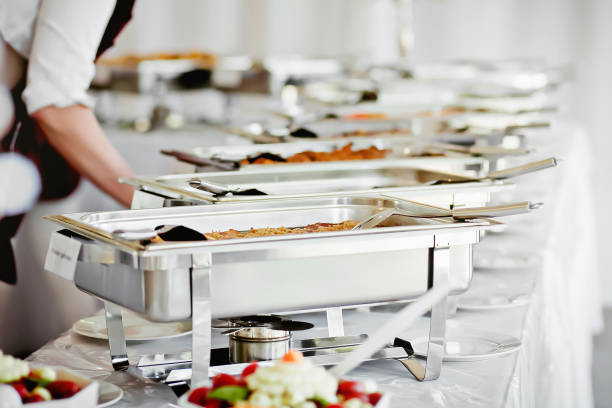
Catering Food Wedding Event Table Catering Food Wedding Event Table catering services stock pictures, royalty-free photos & images

How to Navigate Food Delivery Washington DC: Tips for Early Planning with Caterers

When planning an event — whether it’s a wedding, corporate gathering, or milestone celebration — selecting the right caterer is one of the most critical decisions you’ll make. However, many overlook the importance of checking a caterer’s availability and conducting tastings early in the process. This can result in unnecessary stress and limited choices as your event date approaches. Here’s why these steps should be prioritized and how they can set your event up for success.

Why Checking Availability Early Is Critical

  • Peak Seasons Fill Quickly: Caterers are especially busy during wedding season (spring/summer) and around holidays such as Thanksgiving and Christmas.
  • Event Size Considerations: Larger events may require specialized planning that some caterers cannot accommodate at short notice.
  • Limited Vendor Pool: If you have specific cuisine preferences or dietary needs, the pool of qualified caterers may shrink further.

To simplify this process: | Steps to Check Caterer Availability | Suggested Timeline | |————————————–|——————–| | Research catering companies | 8-12 months ahead | | Reach out with tentative event date | 8-10 months ahead | | Secure booking with deposit | Upon confirmation |

The Value of Early Tastings

A tasting session allows you to experience firsthand how a caterer’s offerings align with your vision. It goes beyond food quality; tastings provide insight into presentation style, portion sizes, and how well they understand your preferences.

Key benefits of scheduling tastings early: 1. Menu Customization: During tastings, you’ll have an opportunity to tweak the menu to better suit your theme or dietary requirements. 2. Gauge Professionalism: A well-organized tasting reflects positively on their ability to execute on event day. 3. Avoid Last-Minute Surprises: Discovering likes/dislikes closer to the date leaves less room for adjustments.

Tips for Scheduling Tastings Successfully

Here are some tips to maximize value from tasting sessions: – Prepare a list of questions beforehand (e.g., ingredient sourcing, food safety policies). – Bring key decision-makers involved in menu planning. – Request options that align with your event’s theme or specific attendee needs (e.g., vegetarian/vegan dishes).

Key Questions To Ask During Tastings

Use this opportunity not just to sample food but also to ensure logistical cohesion: 1. Can adjustments be made for specific dietary restrictions? 2. How will dishes be presented at the event? 3. Is there flexibility in portion sizes and serving styles?

Finalizing these logistics early helps avoid last-minute uncertainty while giving you confidence that every detail matches your expectations.

Prioritize Communication

Effective communication plays a crucial role in avoiding scheduling mishaps or unmet expectations with caterers: – Confirm deadlines for key decisions (menu finalization, guest counts). – Document all agreements in writing.

By prioritizing caterer availability checks and tastings early in the planning process, you’ll ensure a smoother experience while setting up an unforgettable dining experience tailored perfectly for your guests’ enjoyment.

Essential Questions to Ask About Dietary Needs and Presentation with a Caterer

When planning an event, catering is one of the most critical aspects to ensure the success of the occasion. One area that often requires special attention is addressing dietary needs and understanding how food will be presented. Asking the right questions early on helps avoid miscommunication, ensures guest satisfaction, and enhances the overall experience. Below are some essential questions to consider when discussing dietary needs and presentation with your caterer.

Dietary Needs

  • Do you accommodate dietary restrictions?
    Check if they can cater to common restrictions like gluten-free, vegan, vegetarian, dairy-free, nut-free, or kosher requirements.
  • How do you handle food allergies?
    Confirm their processes for minimizing cross-contamination risks during preparation and serving.
  • Can you provide customized menus?
    Ask if they can tailor dishes or create separate menus for guests with special needs.
  • Are nutritional details available for dishes?
    This is especially useful if your guests are health-conscious or require calorie counts and ingredient transparency.

Food Presentation

  • What serving styles do you offer?
    Determine whether they provide plated meals, buffet-style dining, family-style service, food stations, or interactive options like live cooking demonstrations.
  • Can I see examples of table setups or past events?
    Reviewing photos or videos from previous events can help gauge their aesthetic sense and attention to detail in presentation.
  • Do you provide themed presentations?
    If your event has a theme (e.g., rustic chic or modern elegance), inquire whether they can customize decor elements like tableware or food layouts accordingly.
  • Is garnishing included in meal preparation?
    Beautiful garnishes not only enhance flavor but also add sophistication to dish presentations.

Communication Around Preferences

  1. Request sample menus early in the planning process to get a clear idea of available options.
  2. Schedule a tasting session before finalizing decisions so you can evaluate both taste and presentation quality.
  3. Keep an open line of communication about any changes in guest count or additional dietary requests as they arise.

Sample Table Comparison

Dietary Need/Request Caterer Response Time Customization Options Available Confidence Level (1–5)
Vegan Menu Within 48 hours Yes 5
Nut-Free Immediate Partial 4
Themed Food Presentation Week-long lead time Yes 5

Thoroughly addressing these areas will not only streamline your catering planning process but also leave attendees feeling valued and cared for through thoughtful menu curation and appealing presentation choices. Collaborating closely with your chosen caterer positions your event for culinary success while accommodating diverse guest preferences efficiently.


Tips for Choosing the Best Washington DC Catering Service for Your Event

Hands of men taking gourmet appetizers served by professional waiter Hands of men taking gourmet appetizers served by professional waiter. Unrecognizable people. Haute cuisine. Horizontal format. Shot with Canon EOS 5D. catering services stock pictures, royalty-free photos & images

Selecting the ideal catering service is a critical step in ensuring the success of your business gathering or special event. The right caterer not only delivers exceptional food but also enhances the overall experience with professional service and attention to detail. Below are key considerations and steps to guide you in choosing the best catering partner for your needs.

Assess Your Event Needs

Understanding the specific needs of your event will help you narrow down suitable catering options:
Type of Event: Formal corporate meeting, casual networking session, wedding, or birthday celebration? Different events demand varying levels of service and menu styles.
Guest Count: Estimate your guest count early on to find a caterer capable of handling your group size without compromising quality.
Dietary Requirements: Be mindful of guests with dietary restrictions (vegetarian, gluten-free, nut allergies) and ensure these can be accommodated comfortably.

Research Catering Services

Spend time researching local caterers to build a list of potential candidates:
1. Reputation: Ask colleagues, friends, or venue managers for recommendations and check online reviews. 2. Specialty Cuisine: Some caterers excel in specific cuisines (e.g., Italian, fusion, BBQ), so align their specialties with your vision. 3. Portfolio & References: Browse their past projects and request references from previous clients to assess consistency in quality.

Conduct Interviews or Taste Tests

Once you’ve shortlisted a few caterers, schedule consultations to discuss details like menu options and service levels. A taste test is invaluable for evaluating the quality of food preparation and presentation. During these meetings consider asking questions such as:
– Are menus customizable?
– What staffing will be provided (servers, bartenders)?
– Do they handle rentals (tables, linens), or must these be sourced separately?

Budget Planning & Transparency

A clear understanding of costs is vital when choosing a caterer. Request an itemized quote that includes all charges like food costs per person, staffing fees, delivery charges, taxes, gratuities—and any additional services offered such as decor or equipment rental. Avoid vague estimates that could lead to unexpected expenses post-event.

Key Cost Elements Questions to Ask Example Considerations
Food and Beverage Is there a minimum order amount per guest? Cost per plate for 3 courses
Staffing What is included in staffing fees? Staffing ratio per guests
Rentals (if required) Are tableware rentals part of the package? Cost may vary by item quality

Customize Menu Options & Service Style

Your chosen catering team should offer flexibility in building menus tailored specifically for your event’s theme and audience preferences: – For formal events – Plated dinners work well. – For casual gatherings – Buffet-style setups may be more cost-effective. – Cocktail receptions – Consider passed hors d’oeuvres paired with drinks.

Additionally look into whether seasonal ingredients are used by suppliers—it often leads toward fresher-tasting servings.

Assess How Washington DC Caterers Prioritize Customer Support

Lastly gauge responsiveness transparency..

Creating a Royal-Inspired Menu with a Premier Catering Company Washington DC

Designing a royal-inspired menu is about combining sophistication, timeless flavors, and artistic presentation. Whether planning a wedding, gala, or milestone celebration, a well-crafted menu can elevate the experience and leave a lasting impression on your guests. Here are some tips to help you create an elegant royal-inspired menu.

Focus on Classic Yet Sophisticated Dishes

  • Smoked salmon roulade with dill cream cheese.
  • Mini vol-au-vent pastries filled with wild mushroom ragout.
  • Lobster salad canapés on brioche rounds.
  • Beef Wellington with Madeira sauce.
  • Herb-crusted rack of lamb served with truffle mashed potatoes.
  • Pan-seared halibut accompanied by saffron-infused risotto.
  • Classic crème brûlée with caramelized sugar crust.
  • Mille-feuille layered with vanilla custard and fresh berries.
  • Dark chocolate mousse garnished with edible gold leaf.

Use Premium Ingredients

  • Organic, locally-sourced vegetables and herbs for freshness.
  • Prime cuts of meat like Wagyu beef or free-range poultry.
  • Exotic spices like saffron or cardamom to add depth to flavors.
  • Artisanal cheeses and fresh seafood from trusted suppliers.

Offer Timeless Beverages Pairings

Drink Category Examples Best Paired With
Sparkling Wines Champagne or Prosecco Appetizers & light hors d’oeuvres
Red Wines Bordeaux or Pinot Noir Red meat entrees
White Wines Chardonnay or Sauvignon Blanc Fish & poultry dishes
Non-Alcoholic Options Sparkling elderflower tonic or mocktails Any course

Add Luxurious Touches to Presentation

  1. Use fine china, crystal glassware, and polished silverware.
  2. Incorporate edible decorations like microgreens, flowers, or gold dust.
  3. Serve dishes on tiered platters for height variation on buffet tables.
  4. Opt for plated service with artistic food plating designs if it suits the event style.

Incorporate Cultural Elements

To make your royal-inspired menu unique, consider integrating cultural influences: – French Cuisine: Known for its sophistication (e.g., coq au vin). – British Classics: Think coronation chicken salad or sticky toffee pudding. – Mediterranean Flair: Include stuffed grape leaves or Greek moussaka.

Keep Dietary Preferences in Mind

Lastly, cater inclusively by offering options for guests with dietary restrictions: – A gluten-free dessert option like almond flour tarts. – Vegan entrées such as roasted cauliflower steaks with tahini sauce. – Nut-free appetizers and child-friendly meal choices.

By blending these tips into your catering strategy, you can craft a truly regal dining experience that reflects opulence without being ostentatious while ensuring every guest feels valued through thoughtful menu curation.

Coffee break at conference meeting. Coffee break at conference meeting. Business and entrepreneurship. catering services stock pictures, royalty-free photos & images

Discover the Best Wedding Catering Washington DC Has to Offer with Unique Themes and Flavors

When planning an event, selecting a unique and vibrant catering theme can elevate the guest experience. Carnival cuisine offers a whimsical, colorful, and fun-filled approach to catering that leaves lasting impressions. With bold flavors, interactive food stations, and creative presentation styles, carnival-inspired catering themes are suitable for birthdays, corporate events, weddings, or any gathering that calls for excitement.

Key Elements of Carnival-Inspired Catering

  • Classic Carnival Dishes: Incorporate nostalgic foods such as corn dogs, funnel cakes, popcorn, cotton candy, and caramel apples. These dishes evoke childhood memories and add a sense of joy to the event.
  • Interactive Food Stations: Guests love experiencing food preparation firsthand. Create live stations for items like tacos in edible cones or fresh churros rolled in sugar.
  • Vivid Colors: From bright pops of color in desserts to vibrant table settings, infusing a lively color palette enhances the carnival vibe. Use edible glitter or multicolored sprinkles for added flair.
  • Handheld Options: Make it easy for guests to eat on the go by offering finger foods like sliders, mini-pizzas on sticks, or deep-fried mac-and-cheese bites wrapped in paper cones.

Sample Carnival Menu Ideas

Course Suggested Options
Appetizers Mini pretzels with beer cheese dip
Entrees Gourmet hot dogs with upscale toppings (truffle mayo)
Side Dishes Cajun-spiced fries in individual paper cups
Desserts Chocolate-dipped marshmallows on skewers

Unique Catering Themes Inspired by Carnivals

  1. Vintage Circus Theme: Inspired by 19th-century aesthetics with bold red-and-white stripes and decorative accents like gold-trimmed plates. 2

Creating the Perfect Featured Menu for Corporate Catering Washington DC: Balancing Vegetarian, Non-Vegetarian, and Set Options

When creating a featured menu for an event, the key is to provide variety while ensuring that the options cater to diverse dietary preferences. Striking a balance between vegetarian, non-vegetarian, and set menu choices not only accommodates guests’ needs but also elevates their dining experience. Below are strategies and considerations to craft a well-rounded featured menu.

Understanding Your Audience

Before designing your menu, it’s essential to have a clear understanding of your audience’s dietary requirements. Here are some common considerations:
Vegetarian Needs: Many guests may prefer plant-based options. Some may avoid meat for ethical or health reasons.
Non-Vegetarian Preferences: A majority of attendees might expect dishes incorporating chicken, seafood, or other proteins.
Dietary Restrictions and Allergies: Gluten-free, nut-free, dairy-free items should be available for those with intolerances or allergies.
Cultural Influences: Religious or cultural dietary restrictions (e.g., halal, kosher) might play a significant role in menu selection.

Building Balanced Menus

  1. Ensure there’s an approximately equal number of vegetarian and non-vegetarian options.
  2. A 50/50 distribution works best for most events unless you know specific preferences of the guest list.
  3. Provide customizable dishes such as build-your-own salads or pasta bars.
  4. Include plant-based protein substitutes like tofu or tempeh alongside traditional meat options.
  5. Blend flavors from different cuisines that appeal to everyone (e.g., vegetarian spring rolls alongside chicken satay skewers).
  6. For formal events like weddings or corporate dinners, pre-set plates may simplify service.
  7. Offer two set menus: one entirely vegetarian and another non-vegetarian with substitution flexibility.

Sample Menu Breakdown

Course Vegetarian Option Non-Vegetarian Option
Appetizer Caprese Salad with Balsamic Glaze Smoked Salmon Crostini
Main Course Roasted Vegetable Risotto Herb-Crusted Chicken Breast
Side Dish Grilled Asparagus with Lemon Zest Garlic Mashed Potatoes
Dessert Dark Chocolate Tart Vanilla Bean Panna Cotta

Including such a variety ensures guests feel catered to and valued regardless of their preferences.

Tips for Execution

To ensure success when crafting your featured menu:
– Always label dishes clearly on menus so guests can identify ingredients quickly. – Work closely with catering staff/chefs who specialize in different cuisines. – Conduct tastings prior to finalizing options to maintain quality control. – Be prepared for last-minute changes by keeping backup items ready (especially vegetarian/vegan dishes).

By following these strategies and paying attention to detail, you can create a memorable dining experience tailored perfectly to your event’s needs.

Start with Understanding Your Audience

Before creating your menu, assess the needs and preferences of your guests:
Dietary Restrictions: Identify common dietary restrictions such as vegetarianism, veganism, gluten intolerance, or allergies.
Cultural Preferences: Consider cultural or religious requirements that might impact meal preferences (e.g., Halal or Kosher meals).
Event Type: The nature of the event — formal dinner, casual gathering, or buffet-style service — will influence the appropriate balance between meal types.

Vegetarian Options

Vegetarian dishes are no longer an afterthought in catering but are now celebrated for their creativity and appeal. Include plant-forward offerings that are flavorful and satisfying:
1. Appetizers:
– Grilled vegetable skewers with herb dressing
– Stuffed mushrooms with spinach and cheese
2. Main Courses:
– Eggplant Parmesan layered with fresh basil and marinara sauce
– Vegan-friendly lentil curry served with basmati rice

Non-Vegetarian Options

For those who prefer meat-based dishes, offer refined choices while still ensuring variety:
1. Appetizers:
– Smoked salmon canapés on rye toast
– Mini chicken satay skewers with peanut dipping sauce
2. Main Courses:
– Herb-crusted roasted chicken breast served alongside seasonal vegetables
– Braised beef short ribs in red wine reduction

Set Menus for Diverse Crowds
Course Example Dish Notes
Appetizer Mixed green salad with vinaigrette Vegan-friendly starter
Main Course 1 Pan-seared salmon in lemon-dill sauce Non-vegetarian protein option
Main Course 2 Wild mushroom risotto Vegetarian alternative
Dessert Seasonal fruit tart Neutral option suitable for all

Tips for a Seamless Execution

  • Label Clearly: Ensure all items are labeled clearly on display or in printed menus to indicate vegetarian/vegan options or allergens.
  • Portion Control: Provide enough portions of each type to meet guest demand without excessive waste.
  • Customization Options: Allow guests to request slight modifications where possible (e.g., sauces served separately).

By thoughtfully curating your featured menu to include balanced options across dietary needs and tastes, you demonstrate attentiveness to guest satisfaction while creating an inclusive dining experience that leaves an impression long after the event is over.


Top Washington DC Catering Mistakes to Avoid for a Memorable Wedding Event

Close-up of setting forks Place tableware catering services stock pictures, royalty-free photos & images

Planning the catering for a wedding is one of the most crucial elements of ensuring an unforgettable event. The food and beverage experience can leave a lasting impression on your guests, whether positive or negative. Unfortunately, some common mistakes often derail even the most carefully planned weddings. By identifying these pitfalls early, you can ensure seamless catering and create a truly memorable celebration.

Tips for Exceptional Wedding Catering in Washington DC: Meeting Guest Preferences and Dietary Needs

Failing to consider your guests’ dietary needs can lead to dissatisfaction and even health risks. A diverse menu that accommodates various dietary preferences is key to ensuring all attendees enjoy the meal.

Here are important steps to address this:
Send RSVP cards with dietary questions: Include options for allergies, vegetarian, vegan, gluten-free, or other restrictions. – Collaborate with your caterer: Share guest preferences early so the menu can be customized.
Offer variety: Even if you’re serving a plated meal, provide at least one alternative dish that meets common dietary needs.

Tips for Managing Food Quantities in Corporate Catering Washington DC

One of the biggest mistakes is not providing enough food for all guests. This not only creates frustration but also disrupts the flow of your event. Always err on the side of abundance rather than running short on portions.

  • Estimate servings carefully: Speak with your caterer to calculate portion sizes based on guest count.
  • Plan for extras: Factor in unexpected attendees or those with larger appetites.
  • Include late-night snacks: If your reception extends into late hours, consider offering small bites after dinner service.
Guest Count Recommended Serving Size Notes
<50 2 entrees per person Smaller events require more variety
50–150 1.5 entrees per person Balance cost and variety
>150 Buffet-style recommended Eases logistics

Overcoming Venue Constraints with Food Delivery Washington DC

Each venue comes with unique logistics that can significantly impact catering success. Failing to account for these constraints may lead to delays or subpar service quality.

Factors to evaluate include:
1. Kitchen facilities: Does the venue have an equipped kitchen? If not, discuss alternative setups like mobile kitchens or pre-prepared meals.
2. Space limitations: Ensure there’s adequate room for buffet tables or waitstaff circulation during plated service. 3. Power access and permits: Verify that lighting, heating equipment, and cooking appliances will function seamlessly at the venue.

Not Scheduling a Tasting Session

Skipping the food tasting before finalizing a caterer is another major oversight that could result in disappointment on your big day.

Benefits of scheduling a tasting session:
– Allows you to assess flavor profiles and presentation quality. – Provides an opportunity to make adjustments based on personal preferences. – Builds trust between you and your caterer by ensuring alignment in expectations.

Poor Timing Coordination

Timing plays a vital role in delivering food promptly while maintaining its freshness and appeal during events like weddings.

Suggestions to master timing:
– Work closely with both your planner and caterer when drafting timelines for each course. – Use buffer times between different segments (e.g., speeches before dinner) so meals don’t sit too long before serving. – Consider how weather conditions might affect outdoor catering timelines (e.g., wind disrupting chafing dishes).

By avoiding these common mistakes, you can ensure that every aspect of your wedding catering reflects careful planning and attention—leaving guests satisfied and impressed throughout this special occasion.

How to Avoid Common Mistakes When Planning Your Wedding Food Catering

Planning food catering for a wedding can be a complex process. Whether you’re organizing a grand celebration or an intimate gathering, there are common mistakes that can derail your plans if they’re not carefully considered. Here’s an overview of the most frequent missteps and how to avoid them for a seamless catering experience.

1. Underestimating Your Guest Count

One of the most significant errors is failing to have an accurate headcount. Caterers rely on precise numbers to calculate food quantities, staffing needs, and costs.

How to Avoid:
– Send out RSVPs early and follow up with guests who haven’t responded.
– Work with your caterer to establish an appropriate buffer in case unexpected attendees show up.

2. Overcomplicating the Menu

Trying to offer too many options or overly elaborate dishes can lead to logistical challenges, increased costs, and confusion for both the caterer and guests.

Simplification Tips:
– Focus on quality over quantity by curating a smaller selection of crowd-pleasing dishes.
– Opt for seasonal, easily sourced ingredients that align with your event’s theme or location.

3. Failing to Accommodate Dietary Restrictions

Overlooking dietary needs is a common error that can leave some guests without suitable meal options and negatively impact their experience.

Solutions:
– Include dietary preference questions (e.g., vegetarian, vegan, gluten-free) in your RSVP forms. – Offer at least one universally suitable option such as pasta with vegetables or protein alternatives like tofu or lentils.

Dietary Need Example Dish Options
Vegetarian Grilled vegetable lasagna
Vegan Stuffed bell peppers with quinoa
Gluten-Free Herb-roasted chicken with sides

4. Poor Communication with the Caterer

Miscommunication regarding expectations, timelines, or budget can result in unnecessary complications.

Best Practices for Clear Communication: – Provide detailed instructions on the event timeline (e.g., cocktail hour start time). – Schedule regular check-ins with your caterer during the planning phase. – Share any cultural or personal preferences (such as religious dietary requirements) well in advance.

5. Ignoring Venue Constraints

Each venue comes with its own set of limitations related to kitchen space, power access, and service areas.

How to Address Venue Challenges: – Visit the venue in person and assess catering facilities together with your vendor. – Clarify any restrictions imposed by the venue contract (e.g., no open flames).

6. Overlooking Timing for Food Service

Even perfectly cooked meals lose their appeal when served late or cold due to poor timing coordination between events like speeches and meal service.

Timing Tips: – Build buffer periods into your schedule so service staff has flexibility. – Communicate key moments (toasts, cake cutting) clearly ahead of time so caterers know when guests will be ready for food.

Planning wedding catering doesn’t have to be overwhelming if you take steps to mitigate common pitfalls early in the process while maintaining open communication with all involved parties.

Tips for Choosing Washington DC Caterers to Ensure Enough Food for Your Event

When planning a catered event, one of the most critical aspects to consider is ensuring there is enough food for all your guests. Running out of food can lead to awkward situations, dissatisfaction, and a poor overall experience. Proper planning and understanding the needs of your event are essential to avoid this common pitfall. Here’s how you can ensure a successful catering experience by providing sufficient food.

Assessing Guest Headcount Accurately

  • Send RSVPs early: This helps you get an accurate headcount well in advance.
  • Track plus-ones or additional guests: Make sure you include attendees’ guests in your numbers.
  • Account for last-minute additions: It’s always wise to prepare extra portions for unexpected arrivals or changes in attendance.

Understanding Portion Sizes

Understanding portion sizes and serving styles is essential when working with caterers. Portion planning will depend on factors such as the type of meal service and duration of the event.

Meal Type Estimated Servings per Guest Notes
Appetizers 6–8 pieces Ideal for cocktail hours or pre-dinner snacks.
Buffet-style meals 1–1.5 servings Guests often take smaller portions but may return for seconds.
Sit-down dinner Full serving One plated portion per course is standard per guest.

If you’re unsure about portions, consult with your catering provider—they typically have experience estimating based on group size and meal style.

Preparing a Buffer

  • Guests with larger appetites.
  • Unexpected plus-ones who didn’t RSVP.
  • Staff or vendors who might require meals during the event (e.g., photographers, DJs).

This buffer helps you avoid shortages while ensuring everyone feels cared for throughout the dining experience.

Include a Variety When Possible

  • Multiple protein choices (e.g., chicken, beef, vegetarian options).
  • Varied side dishes that complement dietary preferences and cultural backgrounds.
  • A dessert station, allowing guests to select from multiple sweet treats.

More variety also ensures that picky eaters or those with dietary restrictions find something they enjoy.

Partnering with Your Caterer Strategically

  1. Length of the event (longer events may need additional rounds of snacks or drinks).
  2. Types of cuisine being served (e.g., lighter fare may require larger portions overall).
  3. Backup plans (such as quick-prep items or extras held onsite).

Your caterer may also provide insights into trends they’ve seen at similar events that could help shape your menu decisions effectively.

Providing sufficient food at a catered event demonstrates thoughtfulness and ensures every guest has an enjoyable experience without feeling overlooked or underfed—with proper preparation, this aspect can elevate any occasion into something truly memorable!

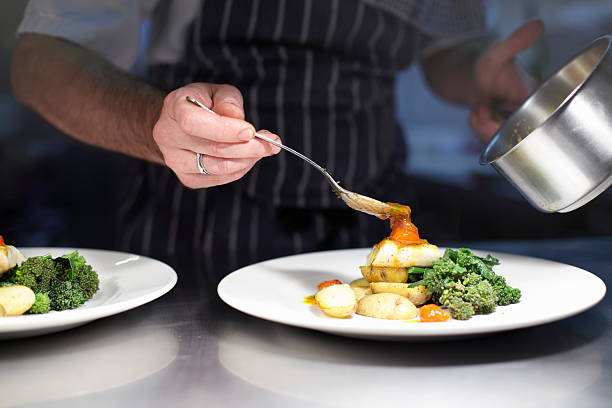
Chef preparing dish in kitchen  catering services stock pictures, royalty-free photos & images

How a Catering Company Washington DC Can Meet Diverse Dietary Needs for a Successful Event

When planning a catered event, addressing dietary needs is one of the most critical factors in ensuring your guests have an enjoyable experience. Failing to account for allergies, food preferences, or religious restrictions can leave guests feeling excluded or even put their health at risk. Here’s why dietary considerations matter and how they can be effectively managed.

Understanding the Importance of Dietary Needs

  • Health and Safety: Food allergies or intolerances (e.g., nut allergies, lactose intolerance) can have severe, life-threatening consequences if not addressed properly.
  • Inclusivity: Catering to vegetarians, vegans, or those with religious dietary restrictions (e.g., kosher or halal) ensures every guest feels respected and included.
  • Guest Satisfaction: Providing appropriate meal options leaves attendees with a lasting positive impression of the event.

Common Dietary Needs to Consider

Dietary Requirement Examples of Foods to Provide Foods to Avoid
Vegan Plant-based proteins, grains, vegetables Any animal products (meat, dairy)
Vegetarian Eggs, cheese, plant-based dishes Meat, poultry
Gluten-Free Rice-based dishes, gluten-free bread Wheat-based products
Nut-Free Nut-free desserts and entrees Any items containing nuts
Halal Halal-certified meats Pork or non-halal meats
Kosher Kosher-certified foods Non-kosher-certified products

How to Address Dietary Needs

  1. Gather Guest Information Early:
    When sending out invitations or RSVPs for your event, include a section where guests can specify any dietary needs. This proactive approach helps avoid last-minute surprises.
  2. Communicate with Your Caterer:
    Share all relevant dietary requirements with your caterer as soon as possible. A professional caterer should have experience accommodating diverse needs.
  3. Offer Variety in Your Menu:
    Create a menu that includes diverse options for all types of eaters—this doesn’t mean you need dozens of dishes but having two to three versatile choices per course can go a long way.
  4. Clearly Label Food Items:
    At buffet-style events or food stations, ensure all dishes are clearly marked with labels that indicate allergens (like nuts or dairy) or special characteristics (e.g., gluten-free). This transparency makes it easier for guests to make informed decisions.
  5. Double Check Cross-Contamination Risks:
    Work closely with your caterer to ensure there’s no cross-contamination in food preparation areas—especially when dealing with allergens such as nuts or shellfish.

Benefits of Addressing Dietary Needs

Taking these steps will foster trust and appreciation among your guests while also ensuring a seamless dining experience. Guests will feel valued knowing their preferences and safety were prioritized in the planning process.

By carefully considering dietary needs during catering arrangements, not only do you avoid unnecessary complications but also elevate the overall success of your event through thoughtfulness and professionalism.

Why Considering Dietary Needs is Crucial for a Successful Catered Event

Planning a catered event involves numerous details, but one element that should never be overlooked is addressing dietary needs. Guests’ dietary preferences, restrictions, and allergies can significantly impact their overall experience, and neglecting these considerations can lead to dissatisfaction or even serious health risks. By carefully factoring in dietary needs, you can ensure a successful event that everyone enjoys.

The Growing Importance of Dietary Inclusivity

  • Allergies: Common allergens include nuts, shellfish, dairy, gluten, and soy. Failing to account for these can result in severe allergic reactions.
  • Religious or Cultural Restrictions: Some guests may follow kosher or halal diets or avoid certain foods for cultural reasons.
  • Lifestyle Choices: Vegetarianism, veganism, and pescatarian diets are increasingly common among attendees.

Catering to these needs demonstrates respect and mindfulness while fostering an inclusive atmosphere where all guests feel valued.

Steps to Address Dietary Needs in Catering

  1. Request Information Early:
    When sending out invitations or RSVPs, include a section for guests to indicate their dietary restrictions or preferences. This allows the caterer ample time to prepare appropriate menu options.
  2. Collaborate with Your Caterer:
    Share the list of dietary requests with your caterer well in advance. Professional caterers are skilled at crafting menus that meet various needs without compromising taste or presentation.
  3. Offer Clearly Labeled Dishes:
    Clear labeling of food items is essential for buffets and self-serve setups. Use signage or menu cards indicating which dishes are gluten-free, nut-free, vegetarian, vegan-friendly, etc.
  4. Provide Variety Without Overcomplicating the Menu:
    While catering to different needs is vital, avoid creating an overly complex menu that overwhelms guests or the culinary staff. Focus on versatile dishes that naturally align with multiple restrictions (e.g., vegetable-based soups without cream).

Examples of Inclusive Menu Options

Dish Allergen-Free Vegetarian/Vegan Cultural Considerations
Quinoa Salad Yes Vegan Halal/Kosher compatible
Grilled Vegetables Yes Vegan Halal/Kosher compatible
Lentil Soup Yes Vegan Halal/Kosher compatible
Herb-Crusted Fish Gluten-Free Pescatarian Halal option available

Benefits of Addressing Dietary Needs

  • Enhances guest satisfaction by ensuring everyone has enjoyable meal options.
  • Avoids potential health incidents arising from allergens.
  • Strengthens your reputation as a thoughtful host who values inclusivity.
  • Reduces food waste by serving dishes tailored to confirmed preferences rather than generic offerings.

By prioritizing dietary needs during planning stages and working closely with your caterer, you create an environment where all guests feel cared for—something that leaves lasting positive impressions long after the event ends.

Simplifying the Menu for a Seamless and Enjoyable Catering Experience

Planning a catered event requires striking the right balance between variety and simplicity. A well-thought-out menu not only helps streamline operations but also creates a more enjoyable experience for your guests. Overcomplicating the menu can lead to logistical challenges, increased costs, and overwhelmed attendees. Below are key strategies for simplifying your menu without sacrificing quality or appeal.

Benefits of Simplifying Your Catering Menu

  1. Easier Execution:
    A concise menu ensures that caterers can focus on perfecting each dish, enhancing overall quality and presentation.
  2. Cost-Effective:
    Fewer options reduce ingredient costs and cut down on preparation time, which can significantly lower your catering bill.
  3. Minimizing Food Waste:
    Offering fewer dishes ensures better portion control and reduces the likelihood of leftovers going to waste.
  4. Improved Guest Experience:
    A refined selection prevents decision fatigue among guests while ensuring that all menu items are thoughtfully curated.

Tips for Creating a Streamlined Catering Menu

  • Focus on Signature Dishes:
    Highlight one or two signature dishes that reflect the theme of your event or cuisine preferences. For example:
  • Italian-themed event: Feature ravioli with seasonal ingredients or classic risotto.
  • BBQ-themed gathering: Focus on smoked brisket paired with cornbread.
  • Limit Options per Course:
    Offer no more than:
  • Two appetizers
  • Two main courses (including one vegetarian option)
  • Two dessert choices This keeps the menu manageable while catering to diverse preferences.
  • Opt for Seasonal Ingredients:
    Build your menu around seasonal produce and proteins. Seasonal ingredients are fresher, more affordable, and easier to source.
  • Incorporate Crowd-Pleasers:
    Include universally loved dishes such as roasted chicken, pasta options, or fresh salads that appeal to a wide range of tastes.

Sample Simplified Wedding Menu

Course Option One Option Two
Appetizer Caprese Salad Skewers Mini Crab Cakes
Main Course Herb-Crusted Chicken Vegetarian Mushroom Risotto
Dessert Flourless Chocolate Cake Seasonal Fruit Tart

By limiting selections within each category, this sample wedding menu caters to various dietary needs while maintaining efficiency in preparation and service.

Communicating with Your Caterer

  • Share details about guest preferences (e.g., dietary restrictions).
  • Provide accurate headcounts early so they can prepare appropriate quantities.
  • Conduct a tasting session before finalizing the list to confirm flavors align with expectations.

Streamlining doesn’t mean settling for less—it’s about curating an intentional dining experience that enhances your event rather than complicates it. When done strategically, simplifying the menu allows both you and your guests to fully enjoy the occasion without unnecessary stress or confusion.

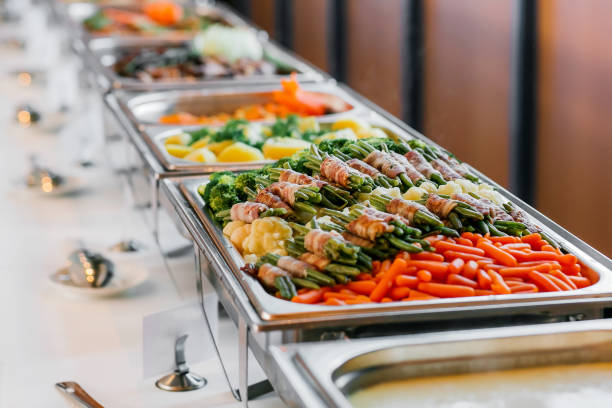
Catering Food Wedding Event Table Catering Food Wedding Event Table catering services stock pictures, royalty-free photos & images

Mastering Timing to Ensure Smooth Delivery and Service at Catered Events

Effective timing is one of the most crucial elements of a successful catered event. Whether it’s a wedding, corporate gathering, or private celebration, poor timing can lead to delays, lukewarm food, and frustrated guests. Mastering the logistics of timing ensures that everything flows smoothly, creating a seamless experience for everyone involved. Below are key strategies to help you manage timing effectively for your catered event.

1. Develop a Comprehensive Timeline

Creating an event timeline is essential to align all activities with catering schedules. A well-thought-out timeline ensures that food preparation, transportation, serving, and cleanup are executed without delays.

Key components to include: – Setup Time: Allow adequate time for caterers to set up serving stations and arrange equipment. – Meal Service Timing: Decide if service will be buffet-style, plated meals, or family-style dining. – Breakdown Time: Allocate sufficient time for post-event cleanup without disrupting your schedule.

Event Activity Timeframe
Caterer Arrival 2 hours before start
Appetizers & Drinks Served 15 minutes after start
Main Course Service 1 hour into the event
Dessert Served 30 minutes before end
Cleanup Begins At event conclusion

2. Communicate Clearly with Your Caterer

Open communication with your caterer is essential to ensure they understand the schedule. Provide them with detailed information about: – Event start and end times. – Speeches or special activities (such as cake cutting) that affect service flow. – The pace at which courses should be served based on guest preferences.

Additionally, confirm staffing levels to ensure there are enough hands on deck to serve guests efficiently within the given timeframe.

3. Factor in Buffer Times

Unexpected issues can arise during any event—traffic delays during food delivery or unplanned changes in the program schedule may occur. Including buffer times within your plans helps accommodate these challenges without disrupting meal service.

For example: – Schedule deliveries at least an hour earlier than needed. – Build in additional time between courses if your event includes speeches or performances.

4. Coordinate Timing with Other Vendors

Catering often overlaps with other aspects of an event, such as entertainment or photography sessions. Coordinating schedules among vendors prevents conflicts and ensures a smooth flow of activities.

Some examples include: – Synchronizing meal service with music performances. – Ensuring photographers capture important moments (e.g., cake cutting) before dessert is served.

Consider holding a pre-event meeting or creating a shared agenda so all vendors are aligned on timing expectations.

5. Monitor During the Event

Even with detailed planning, it’s important to have someone oversee catering logistics on the day of the event. Designate a point person—whether it’s you, your planner, or an assistant—to ensure caterers stay on schedule and address any unforeseen issues promptly.

Tasks for this individual may include: – Checking when food is being prepared and served. – Communicating adjustments if speeches run longer than planned.

By having real-time oversight in place, you can make quick decisions that keep everything running smoothly.

Common Pitfalls Related to Timing (and How to Avoid Them)

Mistake Solution
Poor coordination between vendors Host a meeting or create shared schedules ahead of time for seamless collaboration.
Underestimating setup requirements Confirm setup needs during initial discussions; allocate extra time for unexpected delays.
Delayed meal service Build buffer times into each stage of food prep and delivery for more flexibility.

Mastering timing ensures not only that dishes are served as intended—fresh and flavorful—but also that guests enjoy their overall experience without unnecessary interruptions or inconveniences caused by poor scheduling decisions.

Mastering Timing to Ensure Smooth Delivery and Service at Catered Events

When it comes to catering for events, timing is one of the most critical factors that determine success. Even the best menu or most exquisite décor cannot compensate for delays, cold food, or rushed service. Whether you’re hosting a wedding, corporate event, or private party, mastering timing ensures guests enjoy a seamless dining experience. Below are practical insights into managing timing for catering services effectively.

Planning the Catering Timeline

  • Setup Time:
    Allocate enough time for your caterers to set up their equipment, tables, and serving stations before guests arrive. Depending on the venue and complexity of the setup, this may take anywhere from one to several hours.
  • Service Timing:
    Decide on a clear start and end time for each meal service. For example:

    • Appetizers: 30–45 minutes before seating.
    • Entrées: Served within 15 minutes of guests being seated.
    • Dessert/Coffee: Begin service about 30 minutes after entrées are cleared.
  • Cleanup Time:
    Once food service is complete, caterers will need adequate time to clear dishes and pack their equipment without disrupting ongoing activities.

Collaboration with Vendors and Coordinators

  1. Venue Managers – Confirm when access is available for setup and breakdown.
  2. Event Planners – Align catering schedules with speeches, performances, or other key activities in the program.
  3. Entertainment Teams – Avoid scheduling food service during loud performances that might distract from dining experiences.

Mitigating Delays

  • Order sufficient staff-to-guest ratios (for example, one server per 8–10 guests for plated dinners).
  • Build buffer time into your schedule in case of unexpected slowdowns like traffic delays affecting delivery or late arrivals by guests.
  • Confirm all delivery timelines for ingredients or supplies well in advance.

Real-Time Adjustments

  • Training staff in problem-solving techniques ensures they handle situations like delayed meals efficiently without compromising quality.
  • Have backup plans ready—such as substitutes for unavailable items or additional servers if lines grow long at buffet stations.
Task Ideal Timing Notes
Venue Access 3–5 hours pre-event Ensure all approvals are secured in advance
Setup 2–4 hours pre-event Includes kitchen prep & table arrangement
Cocktail/Appetizer Hour Start ~15 mins after guest arrival Allows mingling before seated service
Entrée Service Within first hour of seating Should align with speeches (if any)
Dessert/Coffee After main meal clearance (~30 mins) Coordinate with entertainment segments

Final Thoughts on Catering Timing

By prioritizing timing throughout the planning process, you can ensure not only smooth delivery but also an enjoyable guest experience. Timely service reflects professionalism on behalf of the caterer while providing attendees with high-quality meals served at optimal temperatures—a vital factor in leaving a lasting positive impression.