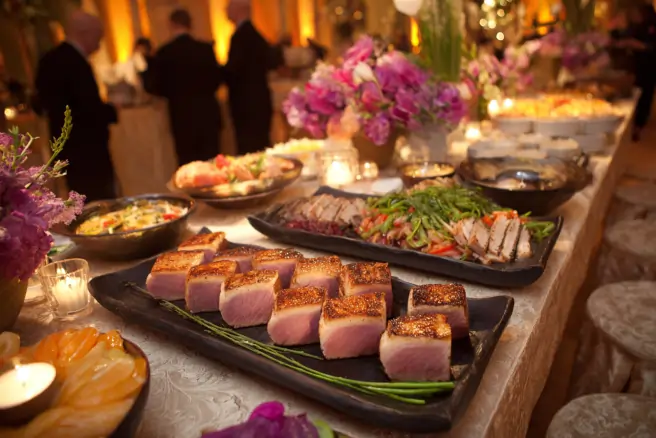
 When organizing an event, one of the most critical aspects to consider is the catering. Whether it’s a corporate meeting, wedding, birthday party, or any other gathering, catering can significantly impact the overall success and guest experience. Understanding the essentials of catering orders ensures seamless planning and execution for any type of event.
Why Washington DC Caterers Are Essential for Events
- Guest Experience: Well-prepared food leaves a lasting impression on attendees. The quality and presentation of meals can elevate the tone of any event.
- Efficient Planning: A thoughtful catering order ensures that food quantities are adequate, dietary preferences are addressed, and no guest leaves unsatisfied.
- Cost Management: With proper planning, you can avoid overspending by ordering precisely what’s needed without compromising quality.
- Time-Saving: Partnering with professional caterers allows you to focus on other event details while experts manage food preparation and service.
Essential Tips for Choosing a Catering Company Washington DC
| Key Element | Description |
| Guest Count | Determine an accurate headcount early to ensure sufficient portions. |
| Dietary Restrictions | Identify allergies or specific dietary needs among attendees (vegan, gluten-free). |
| Menu Selection | Choose dishes that align with the theme and tone of your event. |
| Service Style | Decide between buffet-style, plated service, or food stations based on the occasion. |
| Event Timeline | Coordinate delivery/setup times with your caterer to align with your schedule. |
Popular Options for Wedding Catering in Washington DC
- Corporate Catering: Ideal for meetings, conferences, or company events; often includes boxed lunches or buffet options.
- Wedding Catering: Customizable menus tailored to a couple’s preferences and themes; may include hors d’oeuvres and plated meals.
- Social Event Catering: Designed for birthdays, anniversaries, or family gatherings; casual meal options like finger foods are popular here.
- Specialty Catering: Focuses on specific cuisines like vegan/organic menus or cultural specialties such as Mediterranean or Asian cuisine.
Why Choose Corporate Catering Washington DC for Your Next Event
- Expertise: Skilled caterers like washingtondccatering.net understand portion sizes and menu pairings that work best for each type of gathering.
- Convenience: They handle everything from setup to cleanup so you can focus on hosting.
- Customization: Caterers allow personalization in menu design based on preferences or themes.
- Quality Assurance: Experienced teams ensure food safety standards are maintained throughout preparation.
Final Thoughts on Food Delivery Washington DC
Catering orders form the backbone of successful events by ensuring guests’ needs are met while reflecting the host’s vision for the occasion. By understanding its key components—guest count, menu customization, service styles—and collaborating with trusted professionals when necessary, you can streamline this process effortlessly while elevating your event experience for everyone involved.
Planning a Successful Event by Mastering Your Catering Order
Organizing an event involves many moving parts, and one of the most critical aspects is ensuring your catering order is well-planned and executed. A perfectly tailored catering order not only satisfies guests but also contributes to the overall success of the event. Here are some essential strategies for mastering your catering order to help your event run seamlessly.
Understand Your Event Requirements
- Event Type: Is it a corporate gathering, wedding, birthday party, or casual get-together? The menu and service style often depend on the nature of the event.
- Guest Count: An accurate headcount ensures there’s enough food for everyone without excessive waste. Always account for last-minute changes or RSVPs.
- Venue Restrictions: Some venues may have restrictions regarding food vendors or specific setup requirements for caterers. Clarify these details early in the planning process.
Customize Your Menu
- Include vegetarian, vegan, gluten-free, and other options to accommodate diverse needs.
- Make sure allergens such as nuts, dairy, or shellfish are clearly labeled.
- For formal events, consider plated meals with elegant presentations.
- For casual settings, opt for buffet-style dining with comfort foods or finger foods.
- Tailor your menu with regional or ethnic dishes if your audience has specific cultural backgrounds.
| Event Type | Suggested Service Style | Menu Highlights |
| Corporate Lunch | Boxed Meals | Sandwiches, Salads |
| Wedding Reception | Plated Dinner | Seasonal Entrées & Desserts |
| Birthday Party | Buffet | Finger Foods & Fun Desserts |
| Outdoor Picnic | Food Stations | BBQ Options & Fresh Beverages |
Communicate Clearly with Your Caterer
- Portion Estimates: Ask how much food is typically prepared per guest based on your choices.
- Timing: Confirm setup times and serving schedules to avoid delays during the event.
- Special Requests: Share any customizations such as dietary restrictions or presentation preferences.
Consider Logistics
- Serving Equipment: Will you need additional utensils, plates, napkins, or serving tables?
- Staffing: Decide if you require servers or bartenders depending on guest count and service expectations.
- Cleanup Plan: Confirm if cleanup services are included in the catering package or need separate arrangements.
Finalize Details Well in Advance
To avoid last-minute stress related to your catering order:
– Place orders at least three weeks before larger events and confirm all details a few days prior. – Discuss contingency plans in case of unexpected changes like weather-related issues for outdoor events.
By mastering these aspects of a catering order, you’ll create an organized system that leaves both you and your guests impressed with every detail—culinary excellence included!
How Are Catering Orders Classified for Different Events?
When it comes to planning an event, catering plays a significant role in ensuring a seamless experience. Catering orders can be classified based on the type of event, the style of service, and the specific needs of attendees. Understanding these classifications can help organizers choose the most suitable catering option that aligns with their objectives. Below is an in-depth look at how catering orders are typically categorized.
Classification by Event Type
- Breakfast meetings
- Team-building luncheons
- Product launches or conferences
These events typically demand efficiency and professionalism, often featuring buffet-style or boxed meals that cater to tight schedules. - Weddings
- Birthdays
- Anniversaries
Social celebrations often require more personalized menus with diverse options to meet varied tastes and preferences. - Fundraisers
- Volunteer appreciation dinners
For these events, budget-conscious catering is essential while still striving for quality. Buffet-style meals or family-style service are popular choices here.
Classification by Style of Service
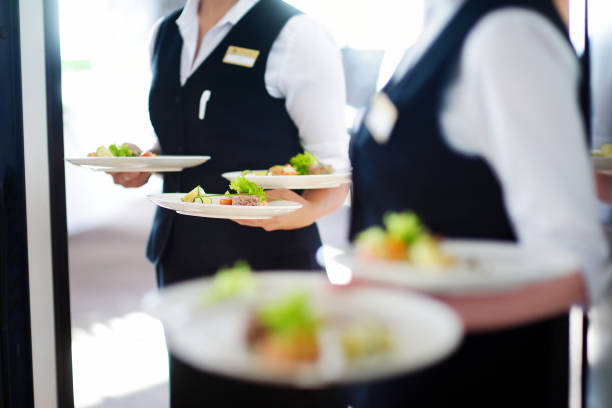
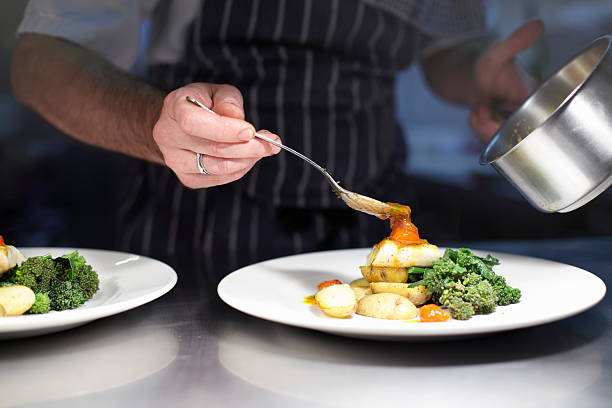
- Plated Service: Meals are prepared and served individually to each guest at their table. This is common for formal events like weddings or gala dinners where presentation matters significantly.
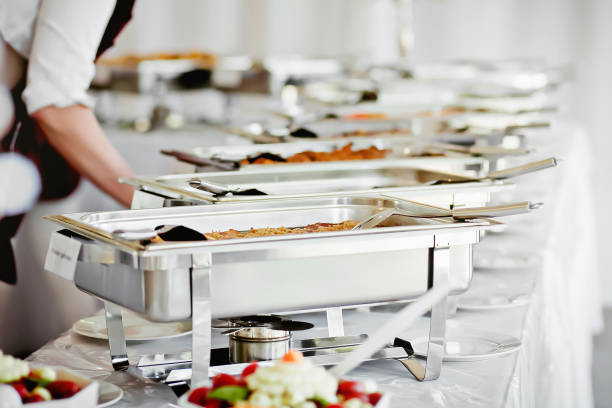
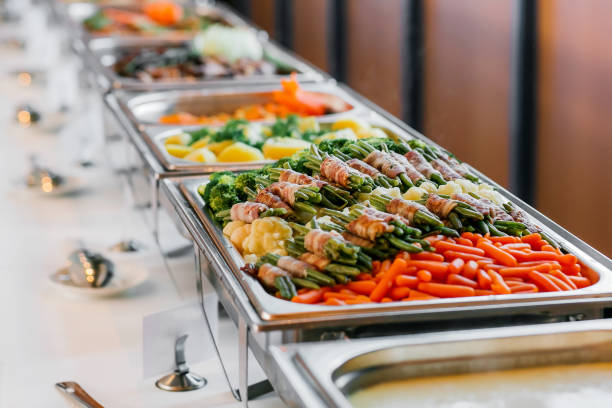
- Buffet: Guests serve themselves from a spread of dishes. This setup provides variety and flexibility while accommodating large groups efficiently.
- Family-Style Service: Dishes are placed on tables for guests to share among themselves, creating a communal dining experience suitable for casual or intimate gatherings.
- Drop-Off Catering: The caterer delivers prepared food without providing serving staff or additional services, ideal for small-scale meetings or informal parties.
- Food Stations: Interactive stations offering made-to-order items like pasta bars or carving stations are perfect for adding an experiential element to your event.
- Cocktail-Style Service: This involves small bites (canapés) served either as passed hors d’oeuvres or stationed displays during mingling events.
Factors Influencing Catering Choices
| Factor | How It Impacts Your Order |
| Event Size | Larger groups may lean towards buffet-style service |
| Budget | Determines whether high-end plated meals are feasible |
| Dietary Restrictions | Influences menu customization (vegan/gluten-free etc.) |
| Venue Layout | May restrict certain styles (e.g., no space for buffets) |
Leveraging Caterers’ Expertise
Professional caterers often help classify the appropriate type of order based on your unique event requirements, guiding you through menu selection, portion sizes, and logistical considerations such as timing and staffing needs.
Carefully classifying your catering order based on these factors ensures both efficiency and guest satisfaction—two hallmarks of a successful event experience.
How Are Catering Orders Classified for Different Events?
Catering orders play a pivotal role in the success of any event by ensuring the food and beverage needs of attendees are met with precision. However, not all events are created equal, and catering requirements can vary significantly based on the type of gathering. Below is an exploration of how catering orders are classified for different events to help you make informed decisions.
1. Personal Events (Social Gatherings)
Personal events often focus on creating a relaxed and celebratory environment for guests. Common examples of personal events include birthday parties, weddings, anniversaries, and family reunions. Catering orders for such occasions typically consider factors like dietary preferences and variety.
Key Considerations: – Menu customization: Include popular options like finger foods, desserts, or themed cuisines. – Beverage selection: Offer a mix of alcoholic and non-alcoholic beverages tailored to your guests. – Portion size: Plan portions based on the length of the event and guest count.
Example Menu for Personal Events:
| Dish Category | Example Items | |—————–|———————————-| | Appetizers | Mini bruschetta, stuffed mushrooms | | Main Course | Grilled chicken, pasta primavera | | Desserts | Cupcakes, fruit tarts |
2. Corporate or Business Events
Corporate catering focuses on professionalism while accommodating diverse food preferences. These events include meetings, conferences, product launches, and team-building activities.
Key Features for Corporate Catering Orders: – Efficiency: Opt for individually packed meals or buffet-style service to save time. – Dietary inclusivity: Offer vegetarian, vegan, gluten-free, or allergen-sensitive options. – Timing flexibility: Plan menus that align with meeting schedules (e.g., breakfast buffets or coffee breaks).
Popular Choices: Sandwich platters, fresh salads, coffee stations.
3. Formal Events (Gala Dinners & Fundraisers)
Formal events demand an elevated level of sophistication in both presentation and menu selection. The focus here is on high-quality ingredients and elegant service.
Classification Features: – Multi-course meals: Caterers typically prepare appetizers, main courses with wine pairings, and exquisite desserts. – Attention to detail: Plated service is common to maintain consistency in presentation. – Upscale ingredients: Dishes may feature premium products like truffles or aged cheeses.
Sample Format: | Course | Example Item | |—————–|———————————-| | Starter | Lobster bisque | | Entrée | Beef Wellington | | Dessert | Dark chocolate mousse |
4. Casual Gatherings (Picnics & Outdoor Events)
Casual gatherings embrace simplicity with comfort-friendly menus tailored toward outdoor settings like picnics or BBQs.
Popular choices include: – BBQ favorites such as burgers and hotdogs – Fresh sides like coleslaw or potato salad – Refreshing beverages including lemonade or iced tea
Buffet setups are ideal for these events as they encourage mingling among attendees without formal table service.
5. Large-scale Festivals & Community Events
Events such as music festivals or neighborhood fairs require large-scale catering solutions that emphasize quantity without compromising quality.
Unique considerations: – Self-service stations featuring crowd favorites (e.g., tacos stands). – Portable food items that are easy to grab-and-go. – Partnerships with local vendors to diversify offerings efficiently.
Understanding how catering orders align with event types allows you to create customized experiences that resonate with attendees while meeting logistical needs effectively. The key lies in aligning menu design with the tone and purpose of your gathering while remaining mindful of budgetary constraints where necessary.
Top Tips for Creating Successful Catering Orders Every Time
Creating a successful catering order is essential to the smooth execution of any event, whether it’s a small gathering or a large corporate function. A well-thought-out catering plan ensures guests are satisfied, budgets are met, and the overall experience is seamless. Below are actionable tips to help you get it right every time.
Know Your Guest List
Understanding your guests is the first step in crafting the perfect catering order. Take these factors into account:
– Dietary Requirements: Identify dietary restrictions such as vegetarian, vegan, gluten-free, or allergies to ensure everyone can enjoy the meal.
– Headcount: Have an accurate guest count to avoid over-ordering or running out of food.
| Guest Category | Estimated Number | Dietary Notes |
| Vegetarian | 10 | No meat |
| Vegan | 5 | No animal products |
| Gluten-Free | 7 | Avoid wheat |
| General Diet Guests | 50 | No restrictions |
Consider Event Type and Timing
The nature of your event heavily influences your catering needs:
– Formal vs. Casual: A seated dinner requires different planning compared to buffet-style service or hors d’oeuvre stations.
– Time of Day: Breakfast, lunch, and dinner menus vary in portion sizes and food types (e.g., lighter fare for morning events).
– Event Duration: For longer events, consider beverages and snacks in addition to main courses.
Choose a Menu That Aligns with Your Theme
Your menu should complement the theme or purpose of the event. Some examples include:
– Corporate meeting? Opt for clean, easy-to-eat meals that won’t disrupt productivity (e.g., sandwich platters or boxed lunches).
– Wedding reception? A multi-course plated dinner may be more appropriate.
You can also explore seasonal options by incorporating fresh fruits and vegetables available at that time of year.
Budget Considerations
Set a clear budget before placing your order. Key tips include:
1. Work with caterers who offer customizable packages within your price range. 2. Avoid extras that don’t add value for guests (e.g., overly elaborate decorations). 3. Negotiate costs where possible without compromising quality.
| Budget Range | Suggested Catering Option |
| $15-$25/person | Buffet-style service |
| $25-$40/person | Plated meals with 2 entree options |
| Above $40/person | Premium service (cocktails & gourmet dishes) |
Communicate Clearly With Your Caterer
Strong communication with your caterer ensures everything goes as planned: 1. Provide detailed instructions about delivery times and locations. 2. Verify what’s included in their service—such as staffing, utensils, or clean-up. 3. Request tastings beforehand if possible to ensure quality.
Review Logistics Early On
Plan logistical details thoroughly: – Ensure adequate space for food setup at the venue. – Confirm if additional equipment (e.g., warming trays) is required. – Coordinate timing so food arrives fresh and on schedule.
By following these tips consistently for every event you plan, you’ll set yourself up for success while delivering an exceptional dining experience tailored perfectly to your guests’ needs.
Plan Your Catering Order in Advance to Ensure Event Perfection
Proper planning is the foundation of a successful catering order. Whether you’re organizing a corporate gathering, wedding, or small family celebration, taking strategic steps in advance ensures that every detail aligns with your event goals. Below, we’ll explore actionable steps and considerations to help you streamline your catering order for maximum success.
Key Benefits of Advance Planning
Planning ahead allows you to:
– Ensure Availability: Popular caterers and venues often book up quickly. Early planning secures your preferred choice.
– Stay Within Budget: With time on your side, you can compare costs and make cost-effective decisions without sacrificing quality.
– Minimize Last-Minute Stress: Advanced preparation reduces the chances of overlooking crucial details as deadlines approach.
Steps to Plan Your Catering Order in Advance
- Define Your Event Details
Start by outlining the key information that will shape your catering order: - Type of event (e.g., wedding, corporate lunch, birthday)
- Guest count (always account for a few extras)
- Venue location and setup requirements
- Set Your Budget
A well-defined budget helps prioritize spending effectively across food, beverages, staff, and rentals. Be transparent with your caterer about financial limits from the outset so they can tailor options accordingly. - Choose a Catering Style
Select a service style that complements your event’s theme and size: - Plated Meal: Formal presentation ideal for weddings or gala dinners.
- Buffet Service: Flexible option suitable for larger gatherings offering variety at scale.
- Family Style Dining: Encourages interaction by serving dishes to share at each table.
- Food Stations or Cocktail Receptions: Great for informal networking events or celebrations with diverse menus.
- Confirm Dietary Needs and Preferences Collaborate with guests early to identify dietary restrictions such as allergies (e.g., gluten-free, nut-free) or lifestyle choices (e.g., vegetarian/vegan). Providing inclusive menu options enhances the experience for all attendees.
- Schedule Tastings When Possible
Arrange tastings well before committing to a menu so you can assess quality firsthand and make adjustments as necessary. - Secure Logistics Early On Work closely with your caterer to confirm logistical details: | Detail | Considerations | |———————–|———————————————–| | Delivery Timing | Ensure food arrives fresh before serving time | | Staff Requirements | Confirm whether servers are included | | Equipment Rentals | Tables, chairs, linens — align with theme |
- Build a Timeline Draft an event timeline detailing when meals will be served alongside other scheduled activities like speeches or entertainment.
Common Mistakes to Avoid When Ordering Catering
Avoid these pitfalls during your planning process: – Waiting until the last minute to place orders. – Overlooking hidden fees in contracts (e.g., gratuity charges or setup costs). – Assuming all guests have identical preferences without confirming dietary needs. – Neglecting post-event cleanup arrangements if not covered by the caterer.
Advanced planning transforms your catering order into a seamless experience while enabling you to focus on enjoying the event itself rather than managing last-minute hurdles on the day-of execution.
- Washington DC Catering: Everything You Need to Know for Event Success
- Top 8 Mistakes to Avoid When Booking the Perfect Washington DC Catering Service for Your Event
- Tips for Choosing the Best Washington DC Catering Service for Your Event
- Top Washington DC Catering Mistakes to Avoid for a Memorable Wedding Event
- 11 Types of Special Events That Washington DC Caterers Can Expertly Handle for Memorable Experiences
- Occasions That Call for the Expertise of Washington DC Caterers